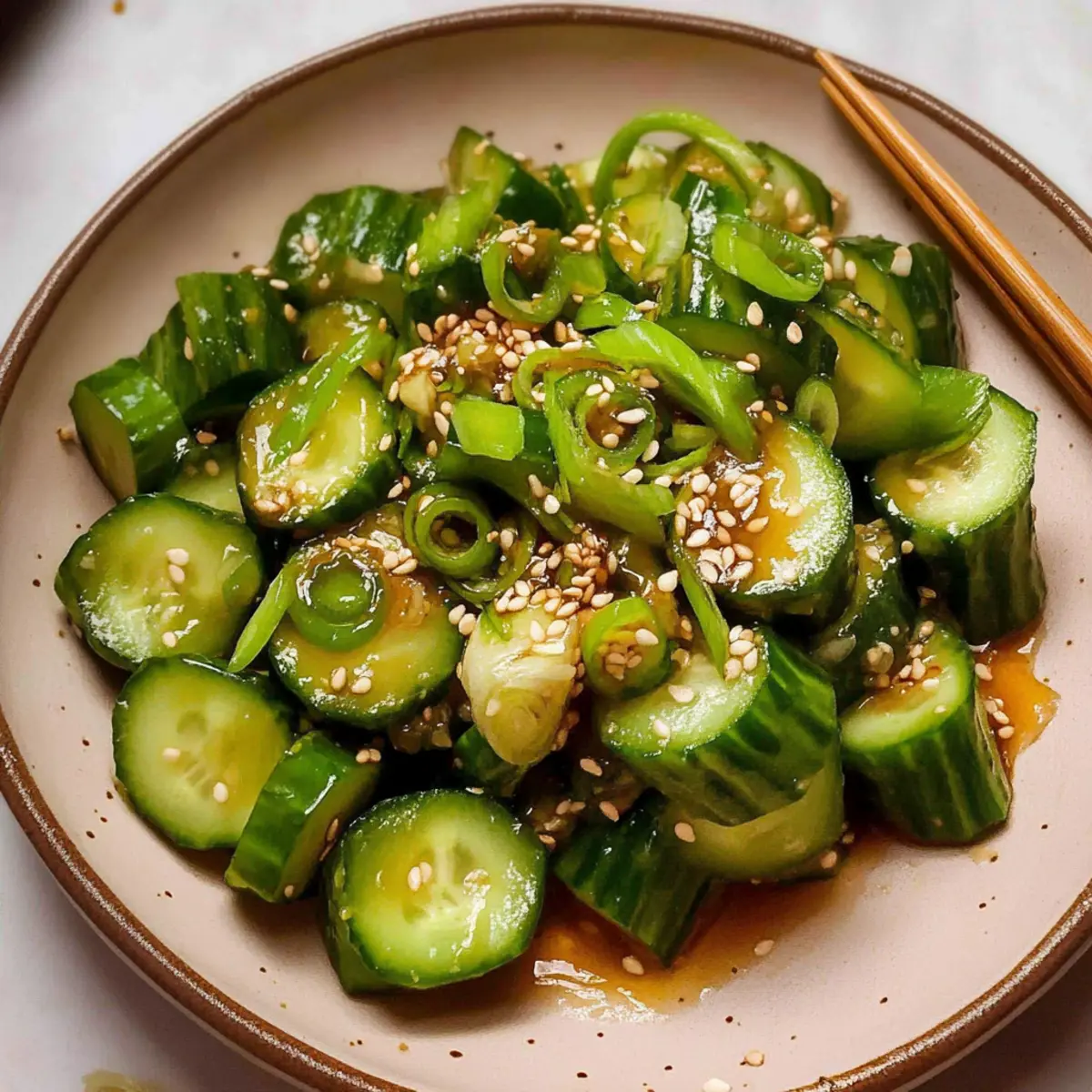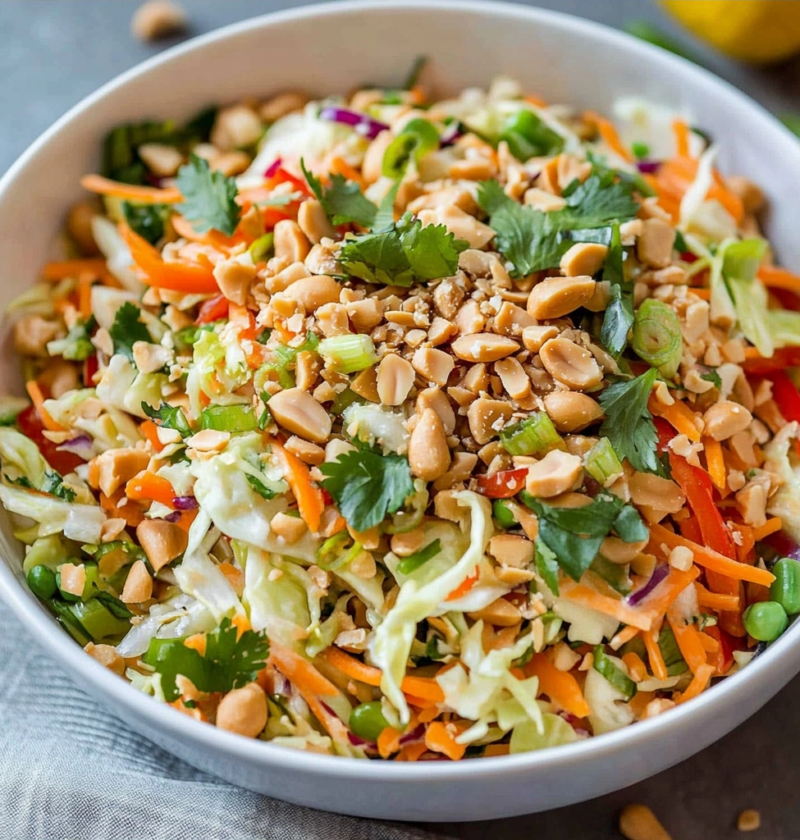
This refreshing Thai Peanut Salad features crunchy cabbage and shredded carrots in a rich coconut creamy dressing. It is a perfect lunch or dinner option for warm days that require minimal effort yet maximum flavor. You will enjoy the perfect balance of tangy lemon, sweet honey, and savory peanut butter in every single bite.
| Detail | Information |
|---|---|
| Prep Time | 15 minutes |
| Cook Time | 0 minutes |
| Total Time | 15 minutes |
| Servings | 4 to 6 servings |
| Difficulty | Easy |
| Cuisine | Thai |
| Category | Salads |
| Method | No-Cook |
Why This Recipe Works
This recipe works because it combines crunchy raw vegetables with a velvety peanut dressing that coats every leaf perfectly without becoming soggy. I have tested this specific balance of acidity and sweetness multiple times to ensure the dressing clings to the shredded cabbage instead of pooling at the bottom of the bowl. The texture remains crisp even after sitting in the fridge for an hour before serving.
Using coconut aminos instead of soy sauce adds a subtle sweetness and makes the dish naturally gluten-free without compromising the savory umami taste profile. The addition of fresh lemon zest brightens the rich peanut butter flavor, while honey provides the necessary sweetness to balance the salty elements. This harmony of five distinct tastes ensures that each spoonful is complex and satisfying.
The inclusion of roasted peanuts offers a necessary crunch that contrasts beautifully with the soft leafy greens and tender carrots. This textural element is vital for a salad that might otherwise feel one-dimensional in its mouthfeel. It transforms a simple vegetable mix into a substantial meal that keeps you full for longer periods.
Furthermore, this dish requires no cooking whatsoever, making it an ideal solution for busy weeknights or hot summer days when you do not want to turn on the stove. The simplicity of the method allows you to focus on ingredient quality, resulting in a superior final product that tastes like a restaurant meal.
Chef Tips for Perfect Results
You can achieve perfect texture and flavor balance by following these precise guidelines during the preparation process.
- Use room temperature ingredients: Allow the peanut butter to sit out for ten minutes before whisking so it blends smoothly without clumps.
- Shred vegetables uniformly: Ensure the cabbage and carrots are cut into thin, consistent strips for an even distribution of crunch.
- Salt the salad late: Add salt right before serving to prevent the vegetables from releasing too much moisture and becoming limp.
- Adjust water carefully: Add one tablespoon of warm water at a time to thin the dressing until it reaches a pourable consistency.
- Toast the peanuts: Briefly heat the chopped peanuts in a dry pan to unlock deeper toasted aromas and intensify their flavor.
- Mix by hand: Toss the salad manually to ensure the dressing penetrates the folds of the shredded cabbage completely.
- Zest before juicing: Grate the lemon zest first to avoid getting any bitter white pith in your dressing mixture.
- Chop cilantro last: Add the herbs at the very end to preserve their bright green color and fresh citrusy notes.
Common Mistakes to Avoid
Many home cooks make errors that negatively impact the final texture or flavor balance of the dish.
| Mistake | Why It Happens | How to Fix It |
|---|---|---|
| Dressing is too thick | Not enough liquid was added to the peanut mixture. | Whisk in 1 tablespoon of warm water incrementally until smooth. |
| Salad is too salty | Coconut aminos and added salt were used together. | Taste before adding salt and rely on coconut aminos for flavor. |
| Veggies are soggy | Salt was added too far in advance of serving. | Toss with dressing only immediately before you plan to eat. |
| Flavor is flat | Lemon juice is lacking brightness from the zest. | Always grate fresh zest into the dressing for a bright punch. |
| Peanuts are stale | Roughly roasted nuts were used without toasting. | Toasts store-bought nuts briefly to revive crunch and flavor. |
Variations and Substitutions
This versatile recipe can be easily adapted to meet specific dietary needs or flavor preferences without losing its core appeal.
| Ingredient or Element | Substitution or Variation | Impact on Flavor or Texture |
|---|---|---|
| Coconut Aminos | Low Sodium Soy Sauce or Tamari | Slightly saltier with a more traditional soy flavor profile. |
| Peanut Butter | Tahini or Almond Butter | Changes nutty flavor to earthy tahini or sweeter almond taste. |
| Rice Vinegar | Apple Cider Vinegar | Introduces a fruitier acidity that complements honey well. |
| Roasted Peanuts | Crushed Cashews | Provides a softer crunch with a creamier nutty finish. |
| Green Onions | Red Onion | Offers a sharper, more pungent bite for those who prefer it. |
| Cilantro | Fresh Basil or Mint | Shifts the flavor profile towards a more tropical or herbal note. |
| Honey | Maple Syrup | Adds a distinct woody sweetness compatible with peanut butter. |
| Cabbage | Romaine Hearts | Changes the texture to a crisp wedge salad rather than slaw like. |
| Sesame Oil | Extra Virgin Olive Oil | Reduces the specific aromatic sesame flavor for a lighter oil taste. |
Serving Suggestions and Pairings
You can expand this salad into a complete meal by pairing it with specific proteins and carbohydrates that complement its flavor profile.
- Grilled Chicken Thighs marinated in ginger and garlic.
- Crispy Tofu cubes that have been baked until golden brown.
- Steamed brown rice or quinoa for a hearty grain base.
- Fresh spring rolls wrapped in rice paper for extra crunch.
- Steamed edamame beans sprinkled with flaky sea salt.
- Shrimp tossed lightly with chili flakes and lime.
- Roasted sweet potato wedges for a touch of sweet flavor.
- Whole wheat noodles tossed in a chili oil for spice.
- Green tea or hibiscus iced tea to cleanse the palate.
- Simple cucumber slices served on the side for extra freshness.
- Hoisin roasted pork or tofu if alcohol-free ingredients are used.
- Crusty sourdough bread on the side to scoop up leftover dressing.
For a complete dinner plate, serve this salad alongside a bowl of spicy coconut soup to enjoy a harmony of hot and cool flavors. The salad acts as a refreshing counterpoint to the richness of a coconut curry soup served in the same meal.
Make Ahead Options
You can prepare several components of this dish up to twenty-four hours in advance to streamline your meal planning process.
Shred the cabbage and carrots into fine strips and store them in an airtight container with a dry paper towel to absorb excess moisture. The vegetables will stay crisp and crunchy for up to two days without becoming watery or soggy if stored correctly. You can also whisk the peanut dressing separately and refrigerate it in a sealed jar for three days before use.
When you are ready to serve, toss the prepared vegetables with the dressing and add the fresh herbs and peanuts last to maintain their texture. This method ensures that the greens remain crunchy even if you have prepared the salad several days prior. It creates a stress-free lunch solution during busy workweeks.
Storage and Reheating
Proper storage techniques are essential to maintaining the safety and quality of this cold salad dish.
| Method | Duration | Instructions |
|---|---|---|
| Room Temperature | None | Do not store salad at room temperature for safety. |
| Refrigerator | 3 days | Store in an airtight container with the dressing separate. |
| Freezer | None | Fresh vegetables lose texture and should not be frozen. |
| Reheating | N/A | This dish is served cold and should not be heated. |
| Make Ahead | 24 hours | Keep dressing and veggies separate until serving time. |
According to food safety guidelines provided by the USDA, perishable items containing dressing should not be left out of the refrigerator for more than two hours. Always use a clean spoon when removing serving portions from the main container to prevent bacterial contamination. If the salad appears slimy or smells off, discard it immediately to avoid foodborne illness.
Nutritional Information
Approximate values are based on one serving and may vary depending on exact ingredients and portion size.
| Nutrient | Amount per Serving |
|---|---|
| Calories | 350 kcal |
| Protein | 10 grams |
| Fat | 25 grams |
| Saturated Fat | 5 grams |
| Carbohydrates | 20 grams |
| Fiber | 4 grams |
| Sugar | 10 grams |
| Sodium | 400 mg |
Nutritional analysis is an estimated calculation based on the ingredients provided and should not be taken as a guaranteed medical metric. For specific dietary planning, please consult a registered dietitian or use a verified nutrition tracking application.
Frequently Asked Questions
Can I substitute peanut butter for another nut butter?
Yes, you can substitute almond butter or cashew butter for the creamy peanut butter in this Thai Peanut Salad. Almond butter is slightly sweeter while cashew butter provides a milder profile that still offers a creamy texture. Both alternatives will work well with the lemon and honey flavors used in the dressing.
How do I know when the salad is seasoned properly?
Taste the dressing alone before pouring it over the vegetables to check the balance of sweet, salty, sour, and savory. The dressing should taste slightly stronger than you want the final salad to taste because the vegetables will dilute the flavor. Adjust the seasonings by adding more honey for sweetness or lemon for acidity until the flavor is balanced.
What should I do if my salad gets watery in the fridge?
Discard the excess liquid and add a fresh splash of lime juice to revive the flavors if the salad releases water overnight. You can also drain the liquid gently and toss the vegetables with a pinch more salt and pepper before serving again. Keeping the salt and dressing apart until the last minute prevents this issue from happening initially.
Is this Thai Peanut Salad suitable for meal prep?
Yes, this Thai Peanut Salad is an excellent candidate for meal prep if you store components separately in the same week. Assemble the bowls with the cold salad mix on top of the warm proteins just before eating to keep textures perfect. The dressing will stay fresh in a separate jar in the refrigerator for up to three days without spoilage.
What proteins pair best with this salad?
Grilled chicken, shrimp, and crispy tofu are the best protein options to pair with this Thai Peanut Salad for a complete meal. You can also add hard-boiled eggs or edamame beans for an extra boost of vegetarian protein. These proteins provide enough sustenance to turn the salad into a satisfying dinner option.
How long can I keep leftover dressing in the fridge?
You can keep the leftover peanut dressing in the fridge for up to one week in a sealed glass container. Shake the jar well before each use to re-emulsify the ingredients that may have separated over time. If the dressing smells sour or changes color, discard it immediately for your safety.
Conclusion
This Thai Peanut Salad recipe delivers a perfect harmony of crunchy textures and rich savory flavors in every bite. It is an easy and delicious option for anyone looking for a healthy, refreshing meal that requires minimal effort. I encourage you to gather your ingredients and try making this versatile dish for your next lunch or dinner.
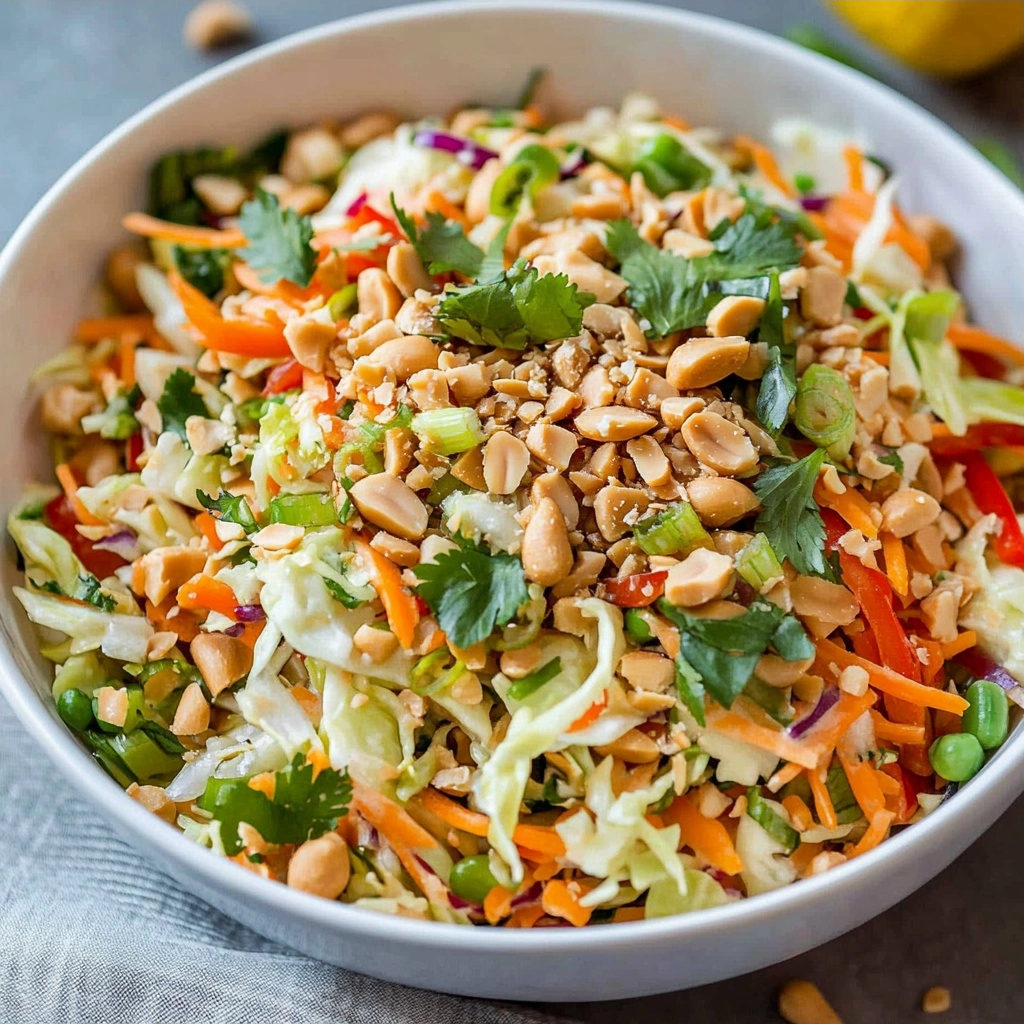
Thai Peanut Salad Recipe: Vibrant Freshness in Every Bite
Ingredients
Method
- 1. In a large bowl, combine shredded cabbage, carrots, and cilantro.
- 2. In a separate small bowl, whisk peanut butter with 2 tablespoons warm water until smooth.
- 3. Add coconut aminos, lime juice, honey, and coconut milk to the peanut butter; whisk until fully combined.
- 4. Toss the dressing with the vegetable mixture until evenly coated.
- 5. Chill for 30 minutes before serving to allow flavors to meld.
- 6. Garnish with additional chopped peanuts and a sprinkle of grated ginger.
Nutrition
Notes
Adjust honey to taste for perfect sweetness balance.
Coconut aminos provide a gluten-free alternative to soy sauce.
Store in an airtight container in the refrigerator for up to 24 hours.