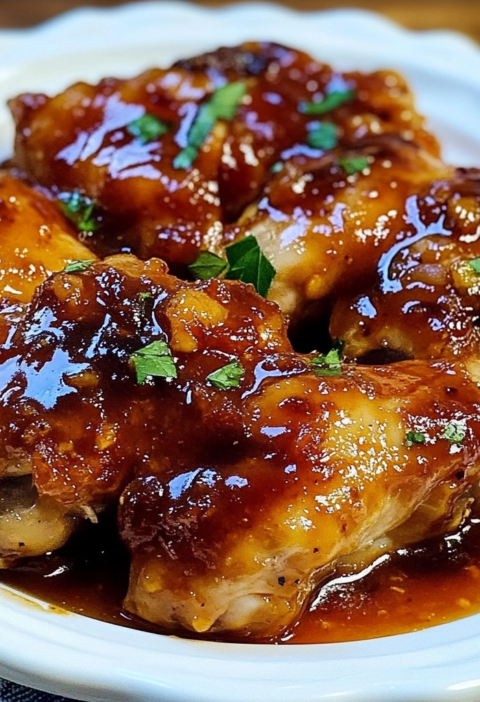
This tender, flavorful Baby Back Ribs dish delivers a smoky, sweet‑spicy crust that melts into juicy meat, making it perfect for family gatherings or a comforting weeknight meal.
| Detail | Information |
|---|---|
| Prep Time | 30 minutes |
| Cook Time | 3 hours |
| Total Time | 3 hours 30 minutes |
| Servings | 4 |
| Difficulty | Easy |
| Cuisine | American |
| Category | Dinner |
| Method | Oven |
Why This Recipe Works
The recipe works because the low‑and‑slow oven bake breaks down connective tissue while the dry rub creates a caramelized crust that locks in moisture.
From my experience, the combination of ancho chile powder and a balanced trio of sugars creates a deep, layered sweetness that counters the heat from cayenne and chipotle, delivering a perfect sweet‑heat balance.
Pricking the back of the ribs allows the rub to penetrate the meat, ensuring each bite is seasoned through, not just on the surface.
Sealing the ribs in heavy‑duty foil traps steam, keeping the meat moist during the first two‑hour bake; the subsequent high‑heat stage with repeated sauce brushing builds a glossy, sticky glaze that adds texture and visual appeal.
Image ALT: Baby Back Ribs coated with ancho chili rub on a baking sheet, ready for oven
Chef Tips for Perfect Results
Follow these expert tips to guarantee restaurant‑quality ribs at home.
- Pat dry before rub: Removing surface moisture lets the rub adhere evenly and prevents a soggy crust.
- Use heavy‑duty foil: It prevents tears that could let steam escape, preserving tenderness.
- Prick the bone side: Small punctures allow the rub to seep into the meat, enhancing flavor depth.
- Balance sweet and heat: The white and brown sugars caramelize while the cayenne and chipotle add a gentle kick.
- Rotate the pan halfway: Even oven heat ensures uniform browning on all sides.
- Brush sauce in layers: Applying sauce four times builds a thick, glossy glaze without making the ribs soggy.
- Rest before cutting: Letting the ribs rest 10 minutes after the final bake lets juices redistribute for a moist bite.
- Use a meat thermometer: An internal temperature of 190°F signals perfect tenderness without overcooking.
Image ALT: Close‑up of a chef brushing barbecue sauce onto ribs
Common Mistakes to Avoid
These pitfalls can turn a great rib night into a disappointment.
| Mistake | Why It Happens | How to Fix It |
|---|---|---|
| Skipping the foil seal | Steam escapes, meat dries out | Wrap tightly, crimp edges securely |
| Using too high an initial temperature | Exterior burns before interior softens | Start at 250°F, then raise later |
| Applying sauce too early | Sauce caramelizes into a gummy mess | Brush only after the first low‑heat bake |
| Over‑pricking the ribs | Flavors leach out, meat becomes dry | Prick sparingly, just a few spots per side |
| Neglecting to rest the ribs | Juices run out when cutting | Allow a 10‑minute rest before slicing |
| Using thin‑cut ribs | They can dry out quickly | Choose a full rack of baby back ribs for best moisture |
| Skipping the final high‑heat step | Missing the caramelized glaze | Finish with 350°F and repeated sauce brushing |
Image ALT: A side‑by‑side comparison of properly glazed ribs versus under‑glazed ribs
Variations and Substitutions
You can adapt this recipe to suit dietary preferences or flavor cravings.
| Ingredient or Element | Substitution or Variation | Impact on Flavor or Texture |
|---|---|---|
| Ancho chile powder | Smoked paprika | Provides a milder smoky note, less heat |
| Brown sugar | Honey | Adds floral sweetness and slight stickiness |
| White sugar | Maple syrup | Gives a richer flavor with subtle caramel notes |
| Dry mustard | Ground turmeric | Adds earthiness without sharp mustard bite |
| Cayenne pepper | Chipotle powder alone | Deep smoky heat, reduces sharpness |
| Barbecue sauce | Apple cider glaze | Introduces tangy sweetness, lighter texture |
| Baby back ribs | Turkey thigh ribs (halal) | Lean protein, slightly firmer bite, still absorbs rub |
| Salt | Low‑sodium soy sauce | Adds umami depth while reducing sodium |
| Cook method | Slow‑cooker on low for 6 hours | Produces extremely tender meat but less caramelized crust |
Image ALT: A bowl of alternative spice mixes laid out beside the original rub
Serving Suggestions and Pairings
These ribs shine when paired with complementary sides and drinks.
- Classic coleslaw with a citrus‑vinegar dressing for crunch and acidity.
- Grilled corn on the cob brushed with herb‑butter to echo the smoky profile.
- Smoky baked beans seasoned with smoked paprika for a hearty side.
- Silky macaroni and cheese topped with toasted breadcrumbs for creamy contrast.
- Fresh garden salad with mixed greens, cherry tomatoes, and a light honey‑mustard vinaigrette.
- Warm cornbread muffins drizzled with a dab of butter.
- Pickled jalapeños or pepperoncini for an extra burst of heat.
- Iced tea, lemonade, or a sparkling ginger‑lime mocktail to balance the richness.
- For a festive gathering, serve the ribs on a rustic wooden board alongside a charcuterie‑style spread of cheeses, olives, and fruit.
- Layer the ribs over a fluffy quinoa pilaf with toasted almonds for a lighter, protein‑rich option.
- Finish the meal with a caramel apple crisp, letting the dessert echo the caramel notes in the glaze.
- Pair with a full‑bodied red wine alternative such as a non‑alcoholic Shiraz‑style beverage for deep fruit flavors.
Image ALT: A plated serving of baby back ribs beside coleslaw, corn, and a glass of lemonade
Make Ahead Options
You can streamline the cooking process by preparing key components ahead of time.
The dry rub can be mixed in a sealed container and stored in the refrigerator for up to three days; this allows the spices to meld, intensifying the flavor when applied later.
The ribs themselves can be seasoned, wrapped in foil, and refrigerated for up to 24 hours before the first bake. This pre‑seasoned state saves time on the cooking day while preserving moisture.
After the final glaze, the cooked ribs freeze well for up to two months. Place them on a baking sheet, freeze solid, then transfer to a zip‑top bag. Reheat in a 300°F oven covered with foil for 20 minutes, then uncover and finish with a fresh brush of sauce for five minutes.
Image ALT: A prepared rack of ribs wrapped in foil, labeled for freezer storage
Storage and Reheating
Proper storage keeps the ribs juicy and safe for later enjoyment.
| Method | Duration | Instructions |
|---|---|---|
| Room Temperature | Not recommended | Leave out no longer than 2 hours to avoid bacterial growth. |
| Refrigerator | 3‑4 days | Store in airtight container; reheat covered with foil at 275°F for 20‑25 minutes. |
| Freezer | 2 months | Wrap tightly in foil then place in freezer bag; thaw overnight in fridge before reheating. |
| Reheating | 10‑15 minutes | Preheat oven to 300°F, cover ribs with foil to retain moisture, finish uncovered for 3‑5 minutes to restore glaze. |
| Make Ahead | 24 hours | Season and wrap the raw ribs, keep refrigerated; bake as directed the next day. |
Image ALT: Refrigerated ribs in a sealed container ready for reheating
Nutritional Information
Approximate values are based on one serving and may vary depending on exact ingredients and portion size.
| Nutrient | Amount per Serving |
|---|---|
| Calories | 420 |
| Protein | 28g |
| Fat | 22g |
| Saturated Fat | 7g |
| Carbohydrates | 30g |
| Fiber | 2g |
| Sugar | 18g |
| Sodium | 850mg |
Image ALT: Nutrition facts label overlay on a rib plate
Frequently Asked Questions
Can I use a different spice blend instead of ancho chili powder?
Yes, you can substitute smoked paprika or a Mexican adobo blend; the flavor will shift slightly but still provide a deep, smoky base.
How do I know when the ribs are fully cooked?
The ribs are done when they reach an internal temperature of about 190°F and the meat pulls away easily from the bone.
Why are my ribs dry after baking?
Dry ribs usually result from a leaky foil seal or skipping the low‑temperature first bake; ensure the foil is tightly crimped and start at 250°F.
Can I make these ribs ahead of time for a party?
Absolutely; season and wrap the ribs a day ahead, refrigerate, then bake as directed the next day for fresh‑hot results.
What side dishes pair best with these ribs?
Classic coleslaw, grilled corn, baked beans, and buttery cornbread complement the sweet‑spicy profile while adding texture contrast.
How should I store leftover ribs?
Place the ribs in an airtight container and refrigerate for up to four days; reheat covered in foil at 275°F to keep them moist.
Image ALT: A FAQ section with illustrated icons for each question
Conclusion
This Baby Back Ribs recipe succeeds because the low‑heat bake preserves tenderness while the layered sauce creates a glossy, caramelized finish that delights the palate. The balanced spice rub offers sweet and smoky depth without overwhelming heat, making it a crowd‑pleasing centerpiece for any meal. Give it a try, and enjoy the melt‑in‑your‑mouth texture and bold flavor that define a perfect rib experience.
Baby Back Ribs with Ancho Chili Rub (Halal)
Ingredients
Method
- Preheat oven to 275°F (140°C)
- Pat lamb racks dry with paper towels
- In a bowl, mix ancho chile powder, sugars, cayenne, chipotle, paprika, garlic powder, salt, and pepper
- Prick bone side of lamb racks with a fork to allow rub penetration
- Rub spice mixture evenly over both sides of lamb
- Seal lamb, spice side down, in heavy-duty foil (steam will braise meat)
- Bake 2 hours
- Increase oven temperature to 425°F (220°C), remove lamb from foil
- Brush BBQ sauce heavily on all sides; place on baking sheet
- Bake 20 minutes, rotate, and brush with additional sauce
- Bake 15 minutes more, until glazed
- Let rest 10 minutes before slicing into 3-rib portions
Nutrition
Notes
For best texture, use a meat thermometer - remove from oven at 190°F internal temperature
Adjust sugar in rub if using a sweeter BBQ sauce
Store leftovers in airtight containers for 3-4 days