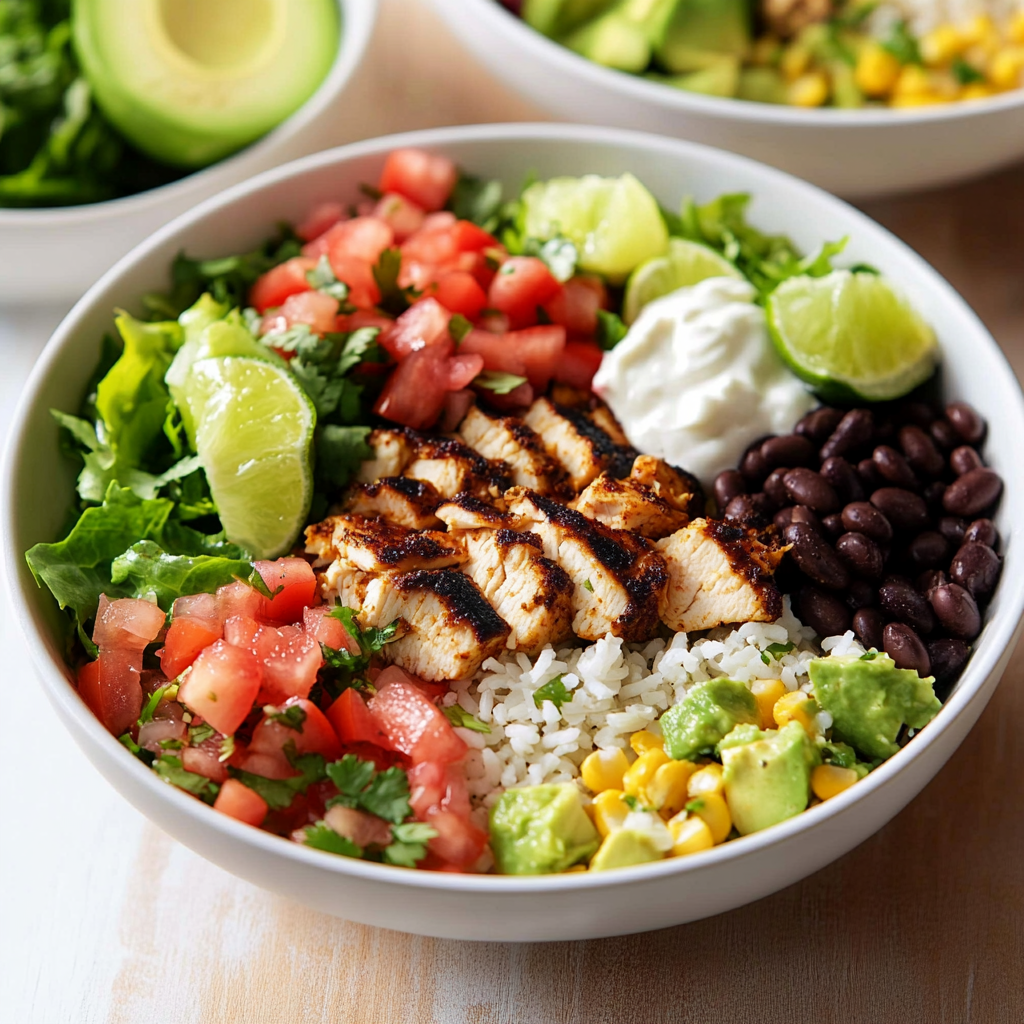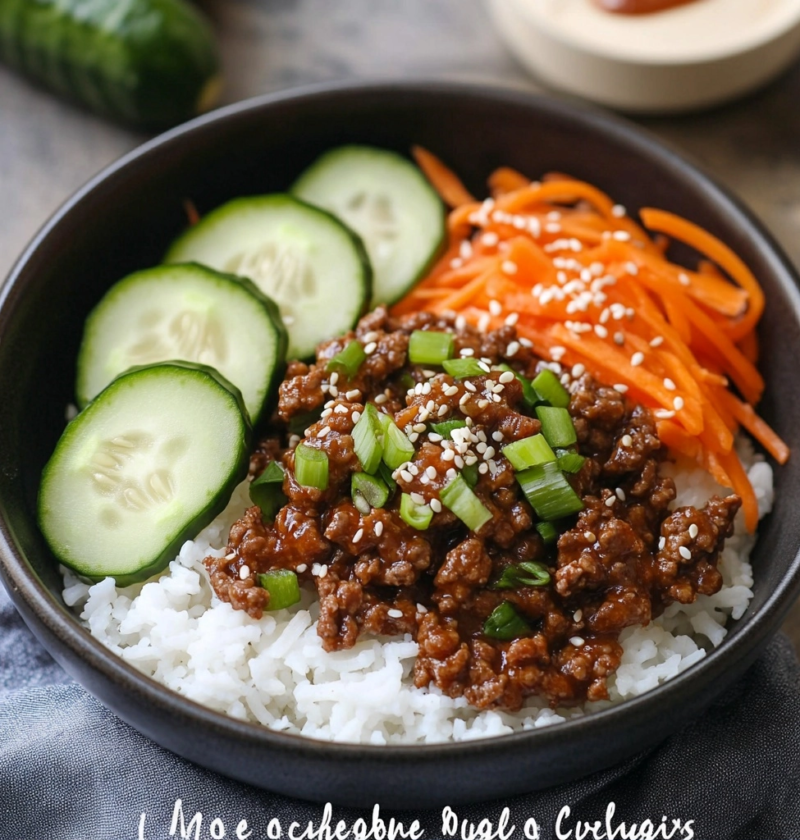
Korean beef cucumber bowls offer a quick and flavorful meal solution that combines tender ground beef with refreshing vegetables. This dish delivers a perfect balance of savory, sweet, and spicy tastes in a healthy format suitable for weeknight dinners. The combination of seasoned beef and crisp cucumber provides both comfort and lightness in every bite.
Why This Recipe Works
This recipe works because it leverages simple ingredients to create bold, layered flavors without requiring hours of preparation time. The ground beef cooks quickly while absorbing the savory soy-based glaze to ensure every bite is rich and satisfying. Using fresh cucumber slices as a garnish introduces a crunchy texture that contrasts beautifully with the warm, soft components of the dish.
The sauce balances sweetness, saltiness, and heat perfectly to complement the lean protein without overpowering it. I have found that this combination works well for busy households needing a nutritious meal that arrives at the table in under thirty minutes. The flexibility of the recipe allows for minor adjustments to suit different spice preferences or dietary needs.
Another reason this dish succeeds is the convenience of the cooking method which uses a single skillet for the main protein element. This minimizes cleanup time while maintaining high flavor profiles through proper browning and reduction of the sauce. The rice base acts as a neutral canvas to absorb the excess sauce and keep the overall dish manageable in moisture.
Chef Tips for Perfect Results
Follow these essential guidelines to ensure consistent texture and flavor in your Korean beef cucumber bowls.
- Maximize Beef Browning: Do not crowd the pan when cooking the ground beef to guarantee proper Maillard reaction.
- Control Liquid Evaporation: Wait until the liquid from the beef has evaporated before adding the sauce to prevent dilution.
- Sweetener Consistency: Use measured sweeteners carefully to avoid the sauce becoming overly sticky or caramelized too early.
- Vegetable Freshness: Add cucumbers and scallions at the end to maintain their crisp texture and vibrant color.
- Sauce Reduction: Simmer the sauce until it thickens slightly to coat the beef rather than pooling at the bottom of the bowl.
- Seasoning Balance: Taste the sauce before serving to adjust saltiness or heat levels according to personal preference.
- Rice Texture: Use long-grain white rice and rinse the grains before cooking to avoid clumping or mushiness.
- Oil Usage: Reserve some sesame oil to drizzle over the finished dish for an aromatic finishing touch.
Common Mistakes to Avoid
Avoid these common errors to maintain the integrity of the flavors and textures in this recipe.
| Mistake | Why It Happens | How to Fix It |
|---|---|---|
| Overcrowding the pan | Cooking too much meat at once | Cook the beef in batches to ensure even browning |
| Adding sauce too early | Prevents proper evaporation of liquid | Add sauce only after beef is fully browned |
| Soggy rice | Using too much water | Follow rice package water-to-grain ratios |
| Bland seasoning | Insufficient salt or soy sauce | Adjust seasoning during the sauce simmering phase |
| Lukewarm beef | Letting it sit uncovered | Keep the beef warm in the skillet until serving |
| Mushy cucumbers | Adding them too early | Place fresh cucumber on top just before serving |
Variations and Substitutions
You can easily modify the ingredients to meet dietary preferences or to use what is currently available in your pantry.
| Ingredient or Element | Substitution or Variation | Impact on Flavor or Texture |
|---|---|---|
| Ground Beef | Ground turkey or chicken | Lighter texture with slightly less fat content |
| Long-Grain Rice | Mixed grains or cauliflower rice | Alters carbohydrate count and texture of base |
| Soy Sauce | Tamari or coconut aminos | Gluten-free alternative with similar savory depth |
| Sweetener | Stevia or maple syrup | Changes sweetness profile and calorie count |
| Sriracha | Cayenne powder or chili paste | Adjusts heat level and texture of spice element |
| Cucumber | Sliced bell peppers | Introduces a different crunch and flavor profile |
| Sesame Seeds | Toasted almonds | Provides nutty crunch instead of seed texture |
| Sesame Oil | Avocado oil | Moderates strong nutty flavor with neutral oils |
| Scallions | Chives | Delivers mild allium flavor in garnish topping |
Serving Suggestions and Pairings
Serving suggestions and pairings can elevate the dining experience beyond the basic bowl composition.
- Serve with steamed broccoli to add more fiber and green vegetables to the meal.
- Pair with a clear miso soup to complete the Asian-inspired meal theme.
- Offer kimchi on the side as a fermented accompaniment for added probiotics.
- Include cucumber salad with rice vinegar and sugar for a refreshing salad component.
- Serve with edamame beans for extra protein and a distinct green color.
- Offer a light fruit salad for dessert to balance the savory lunch or dinner.
- Pair with unsweetened green tea to cleanse the palate between bites.
- Include sesame ginger dressing as a drizzle over the entire bowl mixture.
- Serve with roasted corn on the cob for a sweet side dish option.
- Pair with a light fruit smoothie for a refreshing beverage pairing.
- Serve with baked sweet potato wedges for a heartier carb alternative.
- Include pickled radishes for a crunchy tangy bite contrast.
For a complete meal experience, consider serving the beef bowls alongside a light miso soup and a small portion of edamame. This combination provides a balance of protein, carbohydrates, and vegetables that creates a fully satisfying meal experience. The savory flavors of the beef complement the umami notes of the soup perfectly.
Make Ahead Options
Yes, you can prepare most components of this recipe ahead of time to streamline cooking on busy evenings.
You can cook the rice up to two days in advance and store it in the refrigerator for easy reheating. The beef mixture can also be prepared in advance and kept in the refrigerator for up to four days before reheating. Prepare the cucumber and scallion garnishes separately and only add them just before serving to maintain freshness.
To prevent the rice from drying out, store it in a sealed container with a damp paper towel placed over the top. When reheating the beef, add a small splash of water to restore moisture and heat gently to avoid scorching the bottom.
Storage and Reheating
Follow these guidelines for storing and reheating leftovers safely and effectively.
| Method | Duration | Instructions |
|---|---|---|
| Refrigerator | Up to 4 days | Store in airtight containers separate from garnishes |
| Freezer | Up to 3 months | Freeze cooked beef and rice separately for best quality |
| Reheating | Microwave 2-3 minutes | Heat thoroughly to ensure safety and texture |
| Stovetop Reheat | 5 minutes | Add water to skillet and reheat beef slowly |
| Make Ahead | Sauce prep 1 day | Mix sauce ingredients in advance for quick assembly |
Nutritional Information
Approximate values are based on one serving and may vary depending on exact ingredients and portion size.
| Nutrient | Amount per Serving |
|---|---|
| Calories | 520 calories |
| Protein | 28 grams |
| Fat | 24 grams |
| Saturated Fat | 8 grams |
| Carbohydrates | 48 grams |
| Fiber | 3 grams |
| Sugar | 6 grams |
| Sodium | 980 milligrams |
Frequently Asked Questions
Can I substitute the ground beef with tofu?
Yes, you can substitute the ground beef with firm tofu or extra-firm tofu crumbles for a vegetarian option. The tofu should be pressed to remove excess water before cooking. This substitution will change the texture slightly but maintains the savory sauce flavor profile.
How do I know the beef is fully cooked?
The beef is fully cooked when it changes color from pink to brown and the internal temperature reaches 160 degrees Fahrenheit. Stir the meat frequently to ensure no pink spots remain during the browning process. The meat should crumble easily when pressed with a wooden spoon.
What if my rice turns out too mushy?
Mushy rice usually results from using too much water or overcooking the grains. Rinse the rice thoroughly before cooking to remove excess starch and stick to the recommended water ratio. Fluff the rice with a fork after cooking to prevent clumping between grains.
Can I prepare this recipe in a slow cooker?
Yes, you can prepare the beef mixture in a slow cooker for a hands-off cooking approach. Brown the beef first for better flavor then transfer to the slow cooker and add the sauce ingredients. Cook on low for four to six hours until tender.
How long can I store leftovers in the freezer?
You can store the cooked beef and rice mixture in the freezer for up to three months without losing most quality. Use airtight freezer-safe containers to prevent freezer burn and flavor transfer. Thaw in the refrigerator before reheating for the best texture.
What is the best way to reheat the beef mixture?
The best way to reheat is on the stovetop with a little water to restore moisture and distribute heat evenly. Microwave reheating is faster but may dry out the rice if not covered properly. Stir the beef thoroughly to ensure it heats through to a safe temperature before serving.
Conclusion
Korean beef cucumber bowls represent an easy and delicious way to bring Korean-inspired flavors into your home kitchen. This recipe delivers a satisfying meal that balances savory beef with fresh vegetables and aromatic spices. Make it for a quick weeknight dinner that feels special and comforting.
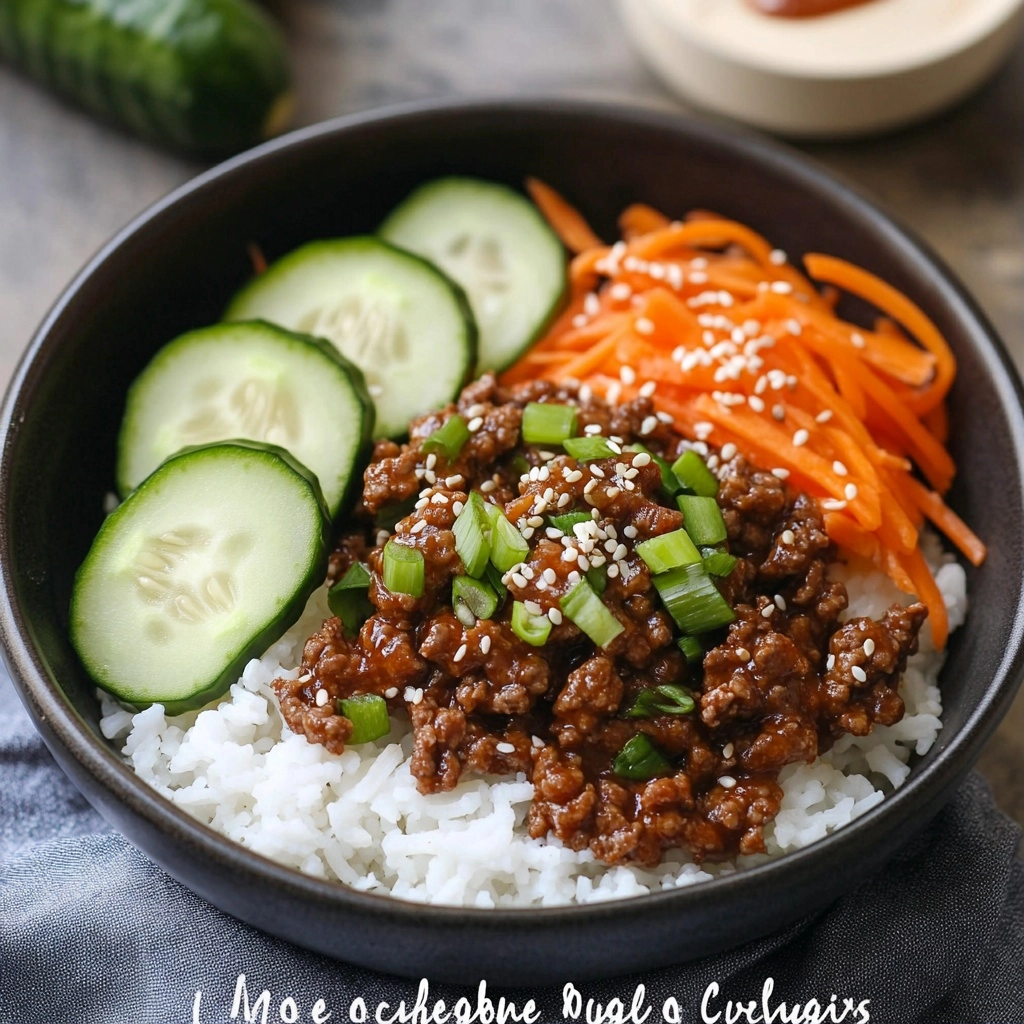
Korean Beef Cucumber Bowls
Ingredients
Method
- Rinse and cook rice according to package instructions.
- Heat a nonstick skillet over medium-high heat and cook ground beef until browned and liquid evaporated.
- Add soy sauce, gochujang, sugar, garlic, and 2 tbsp water. Stir well to combine.
- Dissolve cornstarch in remaining 1 tbsp water and blend into the sauce. Simmer until thickened.
- Stir in scallions, then remove from heat. Gently fold in cucumber slices to retain crispness.
- Serve in bowls with rice, drizzle with sesame oil, and optionally sprinkle sesame seeds.
Nutrition
Notes
Let sauce reduce fully to avoid watery results.
Add cucumbers last to maintain crunch.
Adjust gochujang quantity based on spice preference.
Use a neutral oil (e.g., canola) if sesame oil is unavailable.