Flank steak recipes offer a delicious way to enjoy a flavorful and affordable beef meal that is simple to prepare at home. This cut of meat is known for its bold texture and ability to absorb rich marinades, making it a favorite for family gatherings or casual dinners. The versatility of flank steak ensures it can be grilled, roasted, or broiled with perfect results every time.
| Detail | Information |
|---|---|
| Prep Time | 15 minutes |
| Cook Time | 15 minutes |
| Total Time | 30 minutes plus marinating |
| Servings | 4 to 6 |
| Difficulty | Easy |
| Cuisine | American |
| Category | Main Course |
| Method | Grilling and Broiling |
Why This Recipe Works
This recipe works because it utilizes a straightforward marinade that penetrates the lean meat without compromising texture or tenderness. Flank steak is a cut that benefits immensely from acidic ingredients which help break down fibers over time, resulting in a softer final bite. The balance of soy sauce, vinegar, and aromatics creates a complex flavor profile that rivals any restaurant quality meal.
The cooking method ensures a nice char on the outside while keeping the center juicy and medium-rare if desired. This approach allows home cooks to achieve high-quality results without needing advanced culinary techniques or expensive equipment. Using vegetable oil in the marinade also protects the steak from drying out on the grill grate during high heat exposure.
Timing is another critical factor that makes this approach reliable for busy nights. A short marination period of two hours is sufficient to infuse flavor without turning the meat mushy. Resting the steak after cooking is essential to retain the juices within the muscle fibers before slicing.
This method ensures that even those new to cooking steak can produce a satisfying meal that impresses everyone at the table. The simplicity of the ingredients list removes barriers to entry while maintaining high standards for taste and texture. It remains a reliable option for anyone looking to incorporate more beef into their weekly rotation.
Chef Tips for Perfect Results
To achieve the best texture and flavor, follow these essential guidelines for handling and cooking the steak.
- Whisk the marinade thoroughly: Ensure all ingredients like garlic and mustard are fully dissolved before adding the meat so flavors distribute evenly.
- Use a glass or plastic dish: Acidic ingredients like vinegar can react with metal bowls, so use non-reactive materials for marinating.
- Coat the steak on all sides: Turn the meat several times to ensure every side has received the maximum amount of seasoning.
- Discard the used marinade: Do not reuse the liquid that touched the raw meat to avoid any risk of foodborne illness.
- Pat the meat dry: Remove excess liquid before placing it on the grill to encourage an even sear rather than steaming.
- Preheat the grill properly: Ensure the grate is hot before adding the steak to achieve that desirable crust and sear marks.
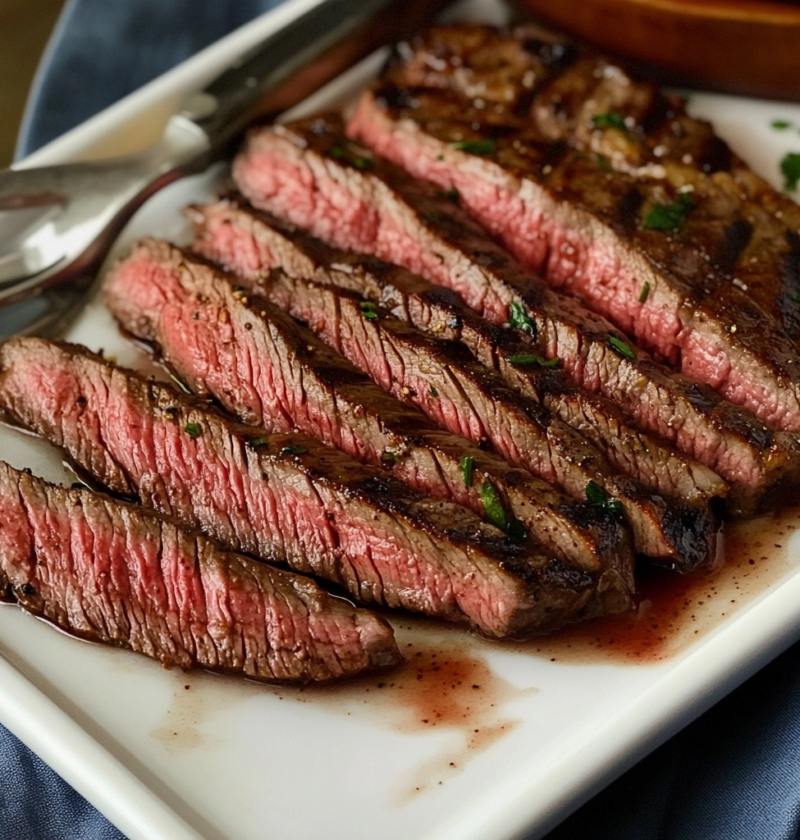
- Slice against the grain: Cut perpendicular to the long muscle fibers to make the texture significantly more tender when eating.
- Let the meat rest: Wait at least five minutes after removing from heat to allow the juices to redistribute throughout the steak.
Common Mistakes to Avoid
Many home cooks encounter specific pitfalls that can lead to tough or underseasoned flank steak, but awareness helps prevent these errors.
| Mistake | Why It Happens | How to Fix It |
|---|---|---|
| Dried-out meat | Cooking at too high heat for too long | Monitor internal temperature and do not overcook past medium-rare. |
| Tough texture | Slicing with the grain | Always cut perpendicular to the visible lines of muscle fibers. |
| Bland flavor | Marinating for too short time | Allow at least two hours or up to six hours for maximum absorption. |
| Damaged surface | Using dirty grates | Clean and oil the grill grate thoroughly before heating. |
| Uneven cooking | Steak is uneven in thickness | Tie the steak with kitchen twine or pound the thick end flat for uniformity. |
| Cross-contamination | Reusing used marinade | Throw away the marinade used on raw steak; use fresh sauce for serving. |
| Sticking grate | Meat placed on cold grill | Ensure the grill is hot before adding the seasoned meat. |
Variations and Substitutions
You can customize the marinade and sides to fit different dietary needs or flavor preferences without losing the core appeal.
| Ingredient or Element | Substitution or Variation | Impact on Flavor or Texture |
|---|---|---|
| Soy Sauce | Coconut Aminos | Makes it gluten-free with a slightly sweeter profile. |
| Red Wine Vinegar | Lemon Juice | Provides a brighter citrus note instead of a sharp acidity. |
| Worcestershire Sauce | Nagano Spice Soy | Retains umami depth while avoiding anchovies if needed. |
| Vegetable Oil | Olive Oil | Adds a subtle fruity undertone if extra virgin is avoided for grilling. |
| Garlic | Garlic Powder | Concentrates the flavor but offers less fresh aromatics. |
| Black Pepper | Cracked Black Pepper | Delivers a more robust heat and aromatic kick. |
| Grill Method | Oven Broiler | Provides similar results using high heat from above. |
| Serving Style | Tacos or Sliders | Changes the meal from a standard steak to a handheld option. |
| Baking Dishes | Vacuum Sealed Bag | Cooks in sous-vide style for precise temperature control. |
Serving Suggestions and Pairings
Pairing this steak with the right sides enhances the overall dining experience and creates a balanced meal for the family.
- Roasted asparagus provides a nice green vegetable contrast with minimal preparation effort.
- Garlic mashed potatoes offer a comforting carbohydrate to soak up any extra sauces.
- Rice pilaf is a neutral base that allows the bold flavors of the marinade to shine.
- Grilled corn on the cob adds a seasonal sweetness that pairs well with the smoky meat.
- A crisp caesar salad brings refreshing crunch and acidity to balance the rich beef.
- Cornbread adds a southern touch that can complement the savory soy elements.
- Sautéed green beans with almonds provide texture and healthy fat for a balanced plate.
- Roasted sweet potatoes contribute natural sugars that pair surprisingly well with savory meat.
- National brand chips offer a crunchy side that works for a casual summer barbecue style.
Consider serving a small bowl of chimichurri sauce on the side to let guests customize their spice levels. This adds a layer of herbaceous freshness that complements the charred notes from the grill perfectly.
Make Ahead Options
This recipe can be partially prepared in advance to save time on busy evenings without sacrificing quality or safety. The marinade can be whisked together a full day ahead and stored in a sealed container in the refrigerator. You can also place the steak in the marinade up to the maximum recommended time limit to maximize flavor infusion.
However, you should not marinate the meat for longer than twelve hours as the acid may begin to break down the texture too much. Preparing the vegetable sides ahead of time is also an excellent strategy to streamline the cooking process. You can wash and cut the vegetables so they are ready to go into the oven or grill immediately.
When it is time to cook, simply remove the meat from the fridge and let it come to room temperature for thirty minutes. This step ensures more even cooking once the steak hits the heat source for the best internal temperature results.
Storage and Reheating
Storing leftovers properly is crucial to maintain food safety and extend the life of the cooked meal in your kitchen.
| Method | Duration | Instructions |
|---|---|---|
| Room Temperature | 2 Hours | Keep out no longer to prevent bacterial growth. |
| Refrigerator | 3 Days | Use airtight containers to seal moisture and prevent odor transfer. |
| Freezer | 3 Months | Wrap tightly in freezer bags to prevent freezer burn. |
| Reheating | Stove or Oven | Use low heat to avoid drying out the meat fibers. |
| Make Ahead | Marinade Day | Combine sauce and meat up to 12 hours prior to cooking. |
Always ensure the leftovers reach a safe internal temperature before consuming them again to kill any potential bacteria. Avoid reheating multiple times as this degrades the quality and texture of the protein significantly. Storing the meat in a single layer helps it cool down faster in the refrigerator for better preservation.
Nutritional Information
Approximate values are based on one serving and may vary depending on exact ingredients and portion size.
| Nutrient | Amount per Serving |
|---|---|
| Calories | 450 calories |
| Protein | 35 grams |
| Fat | 25 grams |
| Saturated Fat | 10 grams |
| Carbohydrates | 5 grams |
| Fiber | 1 gram |
| Sugar | 2 grams |
| Sodium | 800 milligrams |
Consult a nutritionist for specific dietary advice if you have allergies or specific health goals regarding salt intake. High protein foods like flank steak are excellent for muscle maintenance and can fit into a balanced diet when paired with vegetables.
Frequently Asked Questions
What cuts can substitute for flank steak?
Boneless short rib or skirt steak are the most effective substitutes that mimic the texture and flavor profile of the original recipe. Sirloin tip is another option but has a slightly leaner profile that might cook drier if not watched closely. Always adjust your cooking times slightly as the thickness of these alternative cuts may vary from the standard flank.
How do I know when the steak is done?
Use a reliable instant-read thermometer to check the internal temperature rather than relying solely on touch or sight. Medium-rare steak typically registers between 130 and 135 degrees Fahrenheit for optimal tenderness and flavor. Remember that the temperature will rise a few degrees while the meat rests on the cutting board after cooking.
Can I make this dish in the oven instead?
How long can I keep leftover steak?
Leftover cooked steak will stay fresh in the refrigerator for about three days when stored in a sealed container. After three days it is safe to discard the meat to avoid any risk of spoilage or foodborne pathogens. Freezing extends the shelf life significantly but changes the texture slightly after thawing and reheating.
What can I do if I forget to marinate?
If you have forgotten to marinate, you can still cook the steak but you must season it generously with salt and pepper at the time of cooking. Applying the oil and spices directly on the surface before grilling helps lock in moisture without the acid break down. The result will be less flavorful but still safe and tender if not overcooked.
Does flank steak need to be sliced carefully?
Yes, slicing against the grain is the most critical step to ensure the steak is tender and easy to chew when serving. The muscles run in long parallel lines so cutting across them shortens the fibers and improves usability. If you cut with the grain, the meat will feel tough and chewy even if perfectly cooked.
Conclusion
This simple approach to preparing meat proves that delicious home cooking is accessible to everyone with just a few basic ingredients. Flank steak recipes offer a flexible foundation that allows you to experiment with different spices and sides to suit any taste. The combination of a quick marinade and high heat grilling delivers a memorable meal that everyone will love.
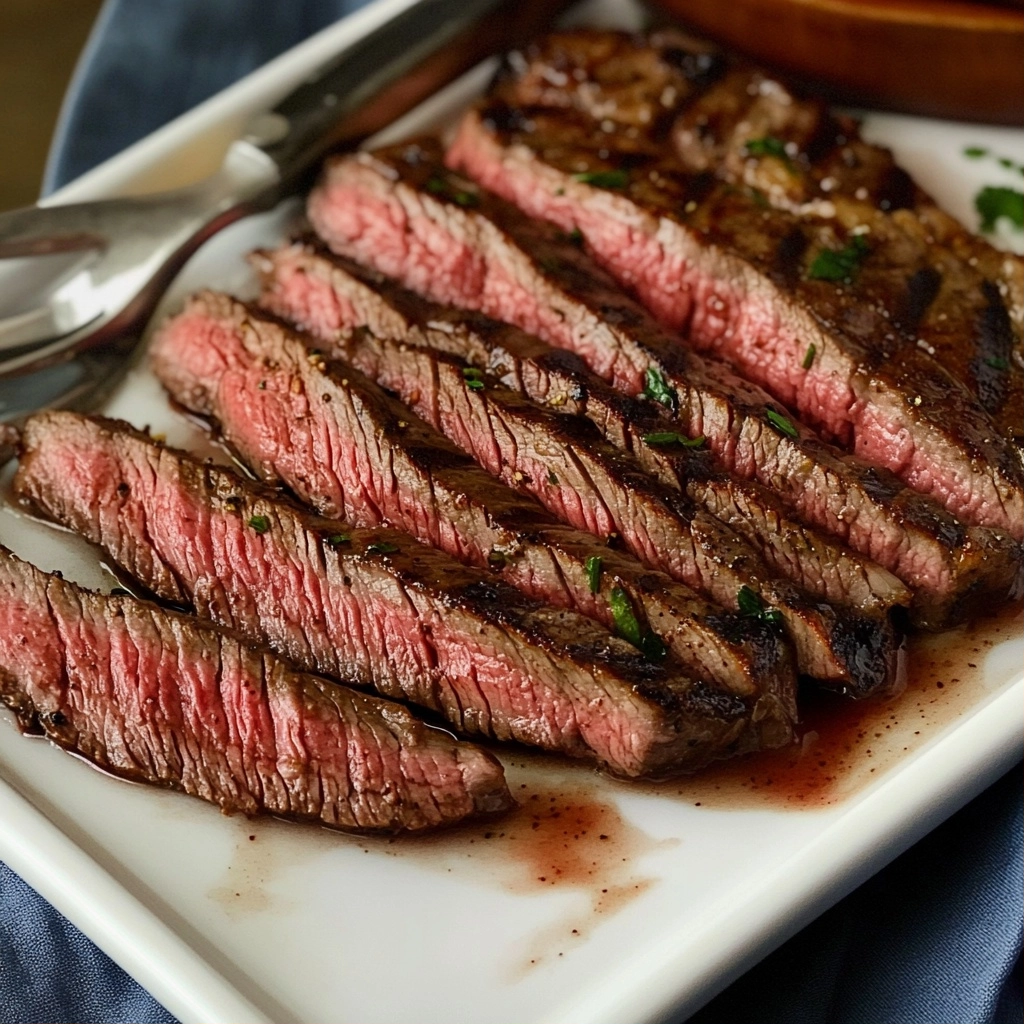
Garlic Soy Flank Steak
Ingredients
Method
- Whisk soy sauce, vinegar, vegetable oil, garlic, black pepper, red pepper flakes, and mustard in a bowl to make the marinade.
- Place flank steak in a resealable bag or shallow dish. Pour the marinade over the steak, ensuring it's fully coated.
- Refrigerate for at least 2 hours.
- Preheat grill or broiler to high heat.
- Grill or broil the steak for about 4-5 minutes per side for medium-rare.
- Remove from heat and let the steak rest for 10 minutes before slicing.
- Slice thinly against the grain and serve warm.