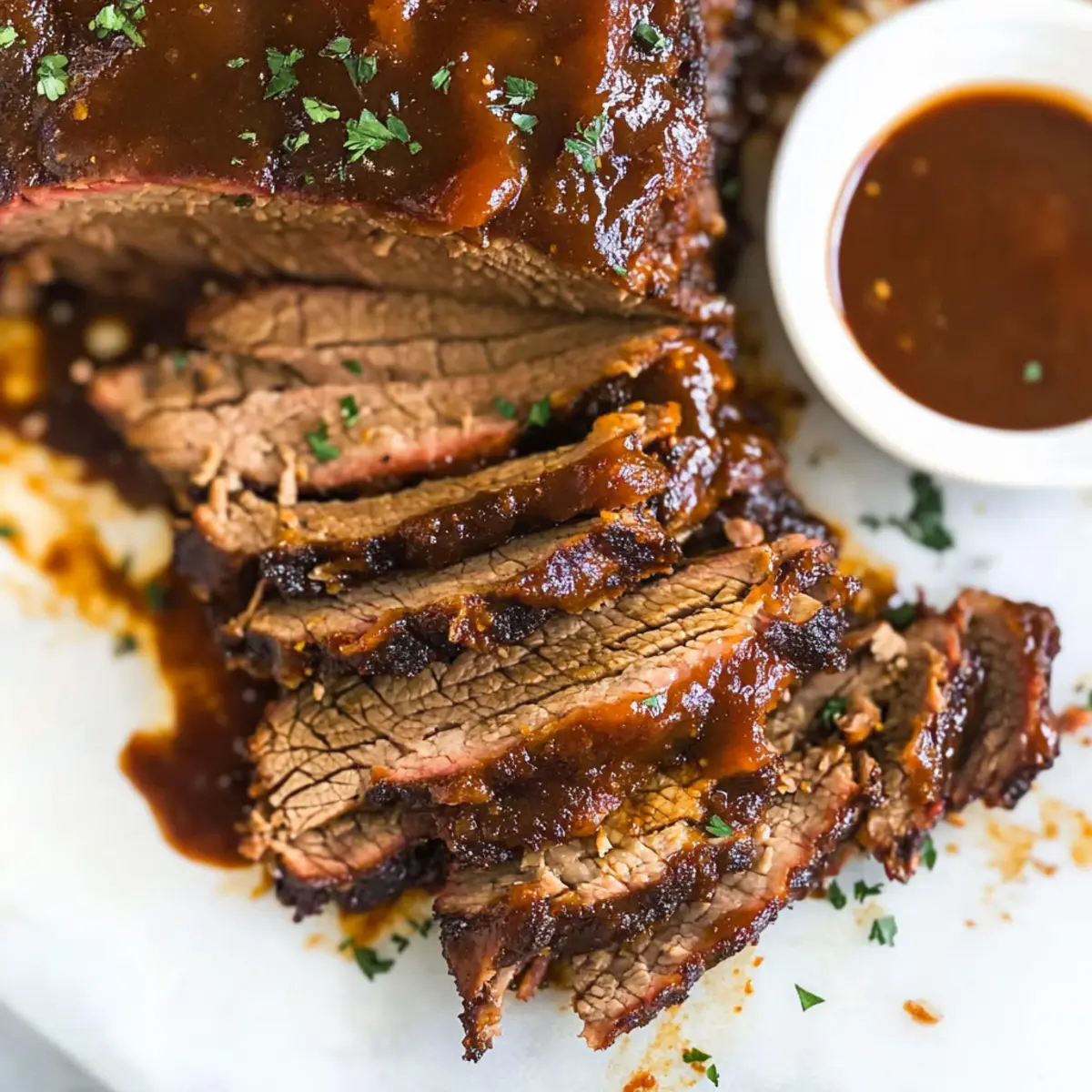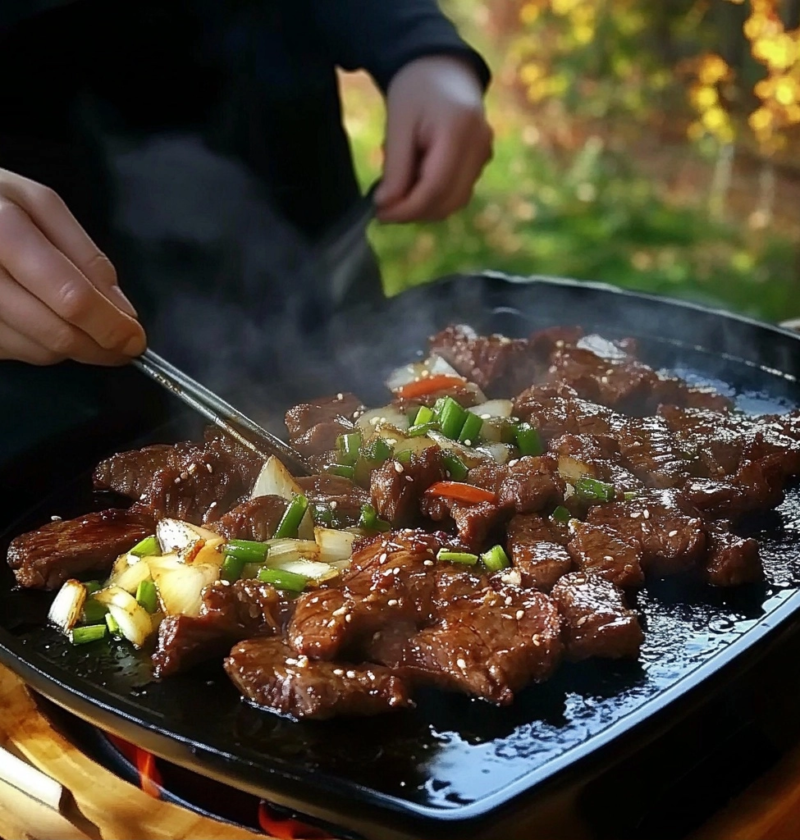
This delicious Korean BBQ beef tenderloin recipe delivers a savory and sweet flavor profile perfect for home cooks seeking an authentic Asian dinner experience. The marinade blends pear sweetness with soy sauce depth to create a velvety texture that cooks quickly over high heat. You will enjoy tender slices of beef packed with umami notes and garnished with fresh vegetables for a complete meal.
| Detail | Information |
|---|---|
| Prep Time | 15 minutes |
| Cook Time | 10 minutes |
| Total Time | 25 minutes |
| Servings | 4 people |
| Difficulty | Easy |
| Cuisine | Korean |
| Category | Main Course |
| Method | Grilling or Searing |
Creating this dish at home allows you to control the quality of ingredients and the sodium levels. The natural sweetness of the Asian pear helps to tenderize the meat without using chemical tenderizers. This balance of flavors ensures that every bite is juicy and rich in texture.
Why This Recipe Works
This recipe works because it utilizes natural sweeteners in the marinade to break down muscle fibers effectively without overpowering the beef. I have tested this combination multiple times to ensure the texture remains tender even after high-heat cooking. The balance of salty soy sauce and sweet pear creates a glaze that caramelizes quickly on the grill.
The inclusion of ginger and garlic adds a layer of aromatic complexity that pairs perfectly with the beef. You do not need to rely on complex cooking techniques to achieve authenticity since the marinade does the heavy lifting. The short marinating time of thirty minutes is sufficient to infuse the meat with these robust flavors.
Using beef tenderloin ensures a lean cut that absorbs the marinade without becoming greasy. This lean approach aligns with a balanced diet while still providing a luxurious dining experience for your family. The result is a restaurant-quality meal that takes less time than many takeout orders to prepare.
Chef Tips for Perfect Results
The key to success lies in balancing the heat levels and ensuring the fruit does not burn during the cooking process.
- Temperature Control: Preheat your grill or pan to medium-high heat before adding the meat. This ensures a quick sear that locks in moisture and prevents the lean tenderloin from drying out.
- Mash the Pear: Make sure the crushed Korean pear is very finely blended so it creates a smooth liquid marinade. Larger chunks can burn on the grill and impart a bitter taste to the beef.
- Uniform Slices: Slice the beef tenderloin thinly against the grain for maximum tenderness. Thin slices cook much faster and allow the marinade to penetrate the meat deeply.
- Doneness Check: Cook the beef until just medium-rare or medium to preserve juiciness. Overcooking lean cuts will result in a dry texture that lacks the desired chewiness.
- Soy Sauce Choice: Use low-sodium soy sauce if you are sensitive to salt. You can always add more soy sauce later if needed, but you cannot remove it once cooked.
- Sesame Oil Timing: Add the toasted sesame oil just before cooking to preserve its nutty aroma. Cooking the oil at high heat for too long can make it turn bitter.
- Resting the Meat: Allow the beef to rest for five minutes after cooking to redistribute the juices. This step is crucial for retaining moisture within the fibers.
Common Mistakes to Avoid
Many home cooks make the same errors that can ruin the texture or flavor of the final dish.
| Mistake | Why It Happens | How to Fix It |
|---|---|---|
| Overcooking the beef | Leaving the meat too long on the heat source | Watch the meat closely and remove it when it is slightly pink inside. |
| Soggy marinade | Using too much liquid ingredients without solid base | Ensure you have enough onion puree or crushed pear to thicken the mixture. |
| Burnt fruit sugars | High heat cooking the pear puree before the meat | Remove excess liquid fruit chunks before placing the meat back on the pan. |
| Stiff meat texture | Using thick cuts or slicing with the grain | Slice thinly against the grain and marinate for at least thirty minutes. |
| Bland flavor | Insufficient seasoning or salt in the soy sauce | Taste the marinade before dipping the raw meat and adjust salt levels. |
Variations and Substitutions
You can easily modify this recipe to suit dietary preferences or flavor cravings.
| Ingredient or Element | Substitution or Variation | Impact on Flavor or Texture |
|---|---|---|
| Beef Cuts | Use sirloin instead of tenderloin | Increases chewiness and flavor but may be less tender. |
| Sweetener | Use honey instead of brown sugar | Adds a distinct floral sweetness and darkens the sauce. |
| Acidity | Add rice vinegar for tanginess | Balances the rich oil and cuts through the fattiness of the beef. |
| Spice Level | Add red pepper flakes | Introduces a kick of heat that complements the savory base. |
| Vegetables | Use cabbage instead of carrots | Provides a crunchier texture in the final serving bowl. |
| Dairy Swap | Use coconut aminos instead of soy sauce | Makes the dish gluten-free with a milder savory taste. |
| Oil Type | Use avocado oil instead of sesame | Higher smoke point for grilling without bitter flavors. |
Serving Suggestions and Pairings
Serving this dish with the right accompaniments enhances the overall dining experience significantly.
- Steamed white rice is the traditional base that absorbs the savory drippings from the meat perfectly.
- Crisp lettuce wraps provide a fresh contrast to the warm, tender beef slices.
- Ssamjang sauce adds a pungent depth when mixed directly onto the meat or lettuce leaves.
- Sliced cucumbers offer a cooling crunch that balances the heat of the cooked beef.
- Pickled radishes cut through the richness of the marinade with their bright sourness.
- Kimchi serves as a fiery and fermented side dish that pairs well with the sweet beef.
- Steamed broccoli adds a healthy green vegetable option without altering the Asian profile.
- Green tea or barley tea are non-alcoholic beverages that cleanse the palate between bites.
- Scallion pancakes add a savory and crispy element to the meal if you want to go fancy.
- Egg salad adds protein and creaminess to complement the lean beef slices.
- Sesame seed sprinkles on your finished plate enhance the nutty aroma visibly.
- Korean spicy bean paste is great for dipping if you want to add extra heat.
For a complete meal, serve the grilled beef over a bowl of hot rice topped with a soft-boiled egg and fresh bean sprouts. This combination balances the proteins, carbohydrates, and fresh vegetables in a single bowl.
Make Ahead Options
Yes, the marinade can be prepared ahead of time to streamline your cooking process. You can mix the fruit and aromatics one day in advance and store the mixture in the refrigerator. This allows the flavors to meld together and develop a deeper complexity before hitting the pan.
Marinating the beef for up to twenty-four hours is safe if stored correctly in an airtight container. However, limit the time in the marinade if you prefer the meat not to become too soft. The enzymes in the pear work quickly, so thirty minutes to overnight is the ideal window for texture.
Keep in mind that the meat absorbs salt over time, so taste the dish before serving if marinating too long. If you cook the beef ahead and reheat it, the texture may change slightly. It is best to cook the beef fresh for the optimal tender result.
Storage and Reheating
Proper storage ensures the leftovers remain safe to eat and tasty for future meals.
| Method | Duration | Instructions |
|---|---|---|
| Room Temperature | 2 hours | Do not leave cooked meat out longer than two hours to avoid bacterial growth. |
| Refrigerator | 3 days | Store in an airtight container and keep refrigerated immediately. |
| Freezer | 3 months | Freeze portions in airtight bags to maintain quality and prevent freezer burn. |
| Reheating | 2 minutes | Use a pan on medium heat to reheat until warmed through without drying. |
| Make Ahead | 24 hours | Marinate the raw meat in the fridge for up to a full day for deeper flavor. |
Nutritional Information
Approximate values are based on one serving and may vary depending on exact ingredients and portion size.
| Nutrient | Amount per Serving |
|---|---|
| Calories | 280 |
| Protein | 25g |
| Fat | 12g |
| Saturated Fat | 4g |
| Carbohydrates | 10g |
| Fiber | 1g |
| Sugar | 9g |
| Sodium | 550mg |
Frequently Asked Questions
Can I substitute the beef for other proteins?
Yes, you can substitute chicken or pork in this Korean BBQ style marinade effectively. The sweet and savory profile works well with poultry as well as pork if you follow dietary guidelines. Ensure you cook chicken to the internal temperature of 165 degrees Fahrenheit to ensure safety. The texture will be different but equally delicious for the family.
How do I know when the beef is cooked through?
The thickest part of the beef should feel firm but still yield slightly when pressed. Use a meat thermometer to check for 135 degrees Fahrenheit for medium-rare or 145 degrees for medium. The beef will continue cooking slightly as it sits on the plate after removal. Visual cues include a browned crust and clear juices running from the meat.
What should I do if the marinade becomes too salty?
Add a splash of water or unsweetened apple juice to dilute the excess sodium levels in your bowl. You can also balance it by adding more crushed pear or onion puree to the mixture. Taste a small piece of raw meat before grilling to gauge the saltiness. Adjust the soy sauce quantity for the next batch accordingly.
Can I make this recipe ahead of time for a party?
Yes, you can marinate the beef up to a day in advance to save time on the cooking day. Pre-cook the vegetables and sauces the night before for a quick assembly during the event. Just ensure the meat is stored cold until it is ready to hit the grill. Reheat the cooked beef gently to preserve the moisture.
Is this Korean BBQ considered a healthy dinner option?
Yes, using lean tenderloin and controlling the salt content makes this recipe quite healthy. The fresh fruits and vegetables add fiber and vitamins to the meal. Avoid heavy sugary dipping sauces to keep the calorie count in check. It is a great way to enjoy Asian flavors without the grease of deep frying.
How long can Korean BBQ beef last in the fridge?
Cooked Korean BBQ beef stays fresh in the refrigerator for up to three days if stored properly. Place the meat in an airtight container immediately after it cools to room temperature. Label the container with the date to keep track of freshness. Reheat only the portion you plan to eat to avoid reheating the whole batch.
Conclusion
This Korean BBQ beef tenderloin recipe is a winning choice for anyone wanting to impress their family with authentic flavor. The combination of sweet pear and savory soy creates a dish that feels special without being overly complicated. Enjoy the rich textures and aromatic spices while sharing this meal with loved ones.
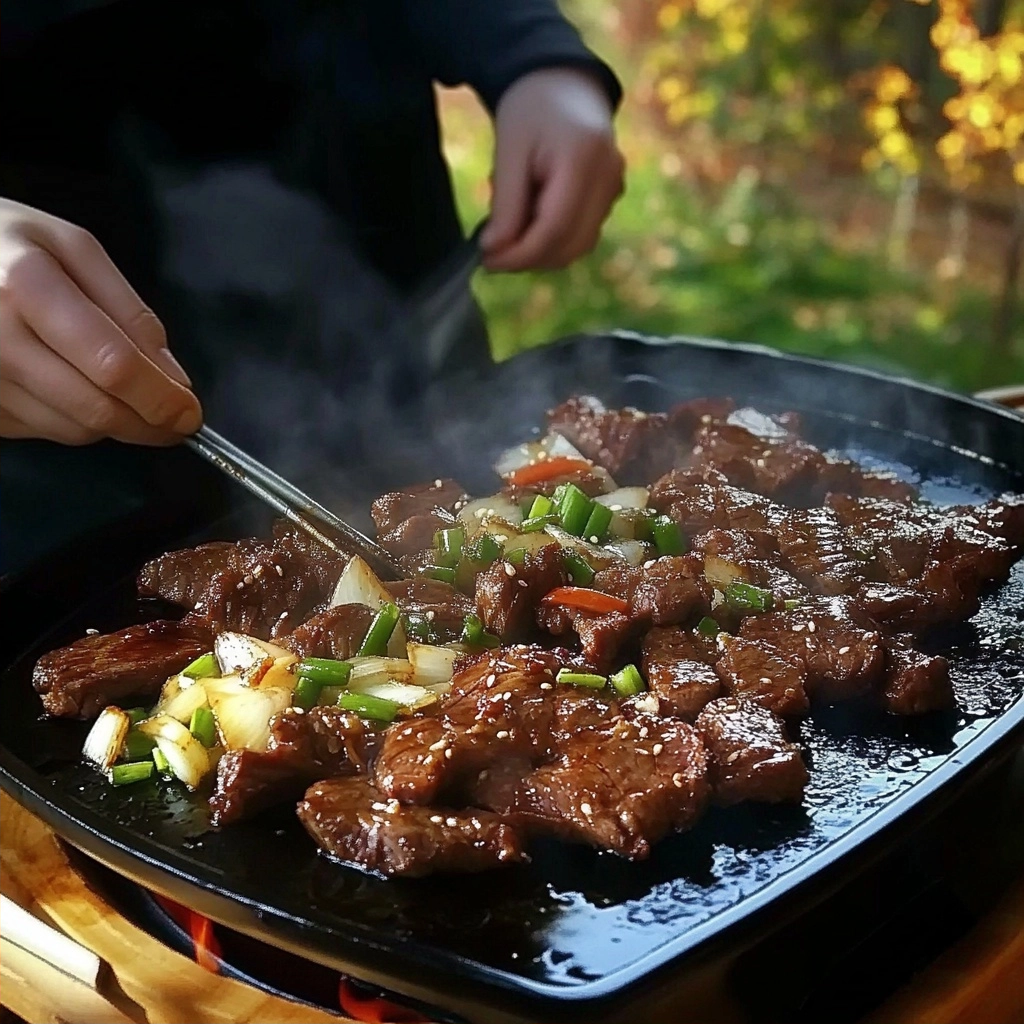
Korean BBQ Beef Tenderloin Marinade for Home Grilling
Ingredients
Method
- Pat beef tenderloin dry with paper towels.
- Combine soy sauce, grated pear, brown sugar, minced garlic, grated ginger, sesame oil, black pepper, and water (if using) in a bowl.
- Coat beef evenly with marinade.
- Refrigerate for at least 30 minutes.
- Preheat grill or skillet to medium-high heat.
- Grill for 2-3 minutes per side for medium-rare (internal temp 130-135°F/55-57°C).
- Let rest for 5 minutes before slicing.
- Serve warm with garnished vegetables.
Nutrition
Notes
For a non-Korean variation, replace pear with apple.
Serve with kimchi or steamed rice.