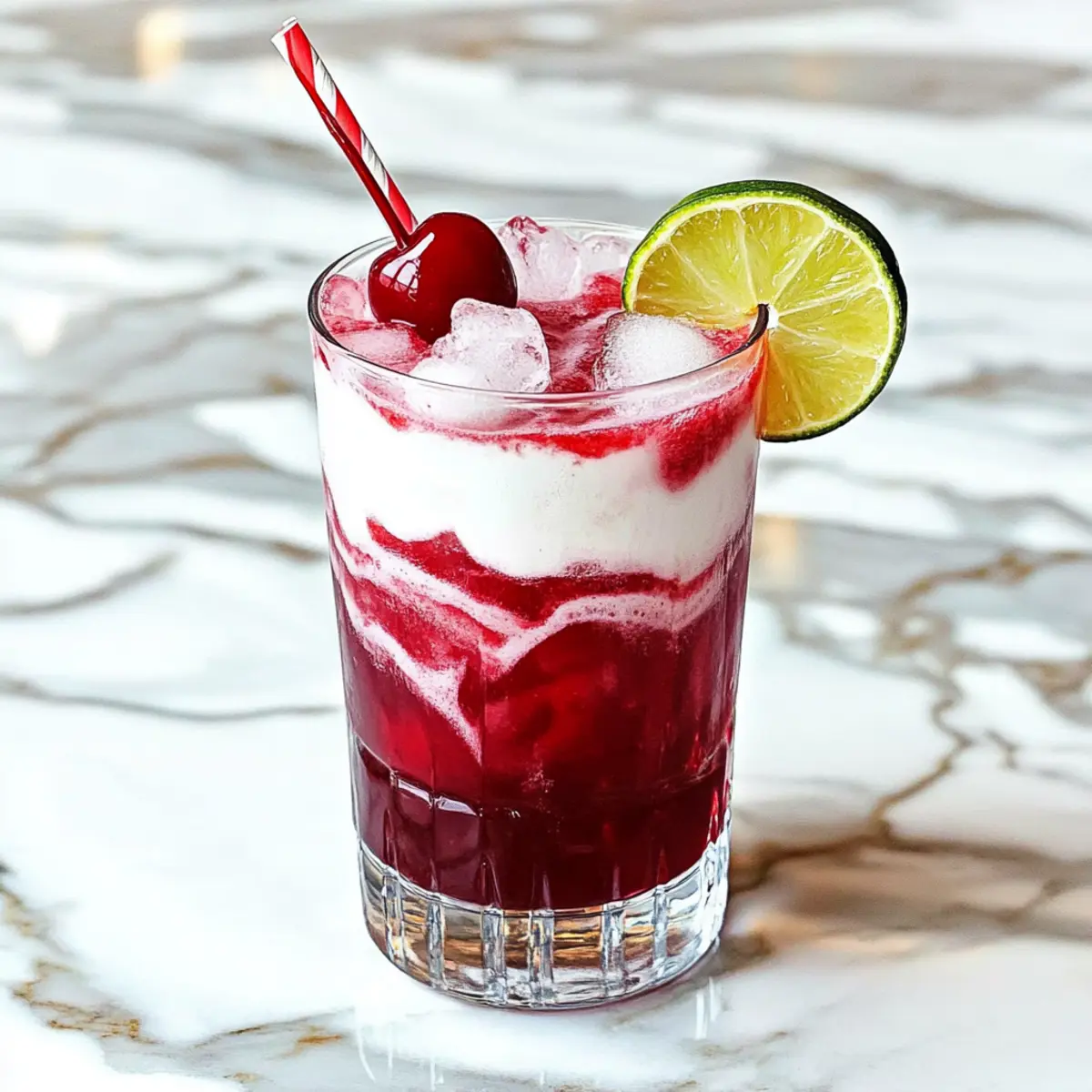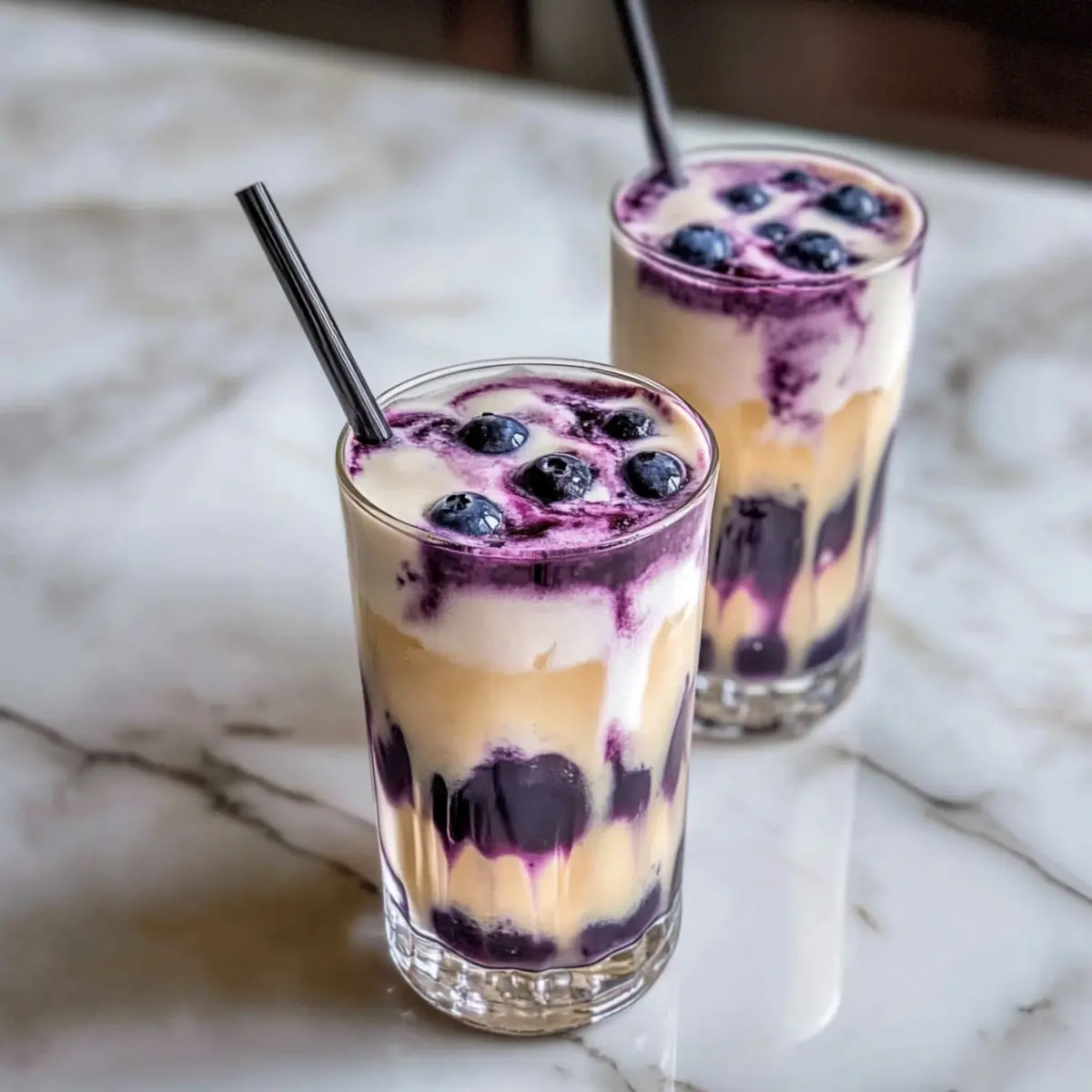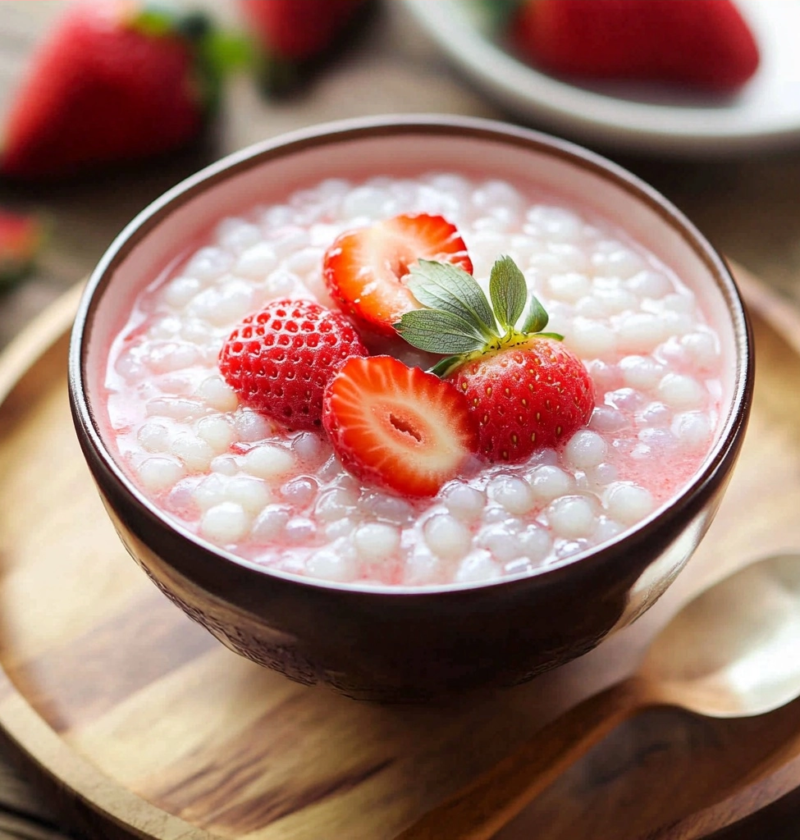
Strawberry Sago is a refreshing translucent dessert featuring tapioca pearls and sweet strawberry puree layered with creamy coconut milk. This vibrant dish delivers a light texture and tropical fruit flavor perfect for warm days. Home cooks appreciate its simple assembly and make-ahead convenience for parties or family gatherings. Prepare this dish to bring the taste of the tropics directly to your summer table without needing complex ingredients.
| Detail | Information |
|---|---|
| Prep Time | 20 minutes |
| Cook Time | 20 minutes |
| Total Time | 40 minutes plus cooling |
| Servings | 6 to 8 people |
| Difficulty | Easy |
| Cuisine | Philippine Tropical |
| Category | Desserts |
| Method | Boiling and Mixing |
Why This Recipe Works
This Strawberry Sago recipe works exceptionally well because it balances chewy textures with a creamy and fruity flow that keeps every spoonful exciting. I have tested multiple ratios of fruit to liquid to ensure the sweetened condensed milk enhances the berries without overwhelming their natural tartness. The result is a dessert that feels luxurious yet remains refreshingly light enough to serve at the end of a heavy meal.
The tapioca pearls are the foundation of this dish, providing the necessary chew without becoming too hard or sticky when prepared correctly. Boiling them to full translucency ensures they are safe to consume and have a pleasant mouthfeel that complements the soft strawberry bits. Cooking them until the white dots disappear is the key to a professional texture that rivals store-bought versions found in local bakeries.
Finally, the addition of coconut milk and nata de coco adds a necessary richness that grounds the light fruit flavor in the glass. This combination creates a dessert that is satisfyingly creamy but does not feel overly heavy after eating. I find that chilling this dessert completely before serving maximizes the crispness of the fruit and the smoothness of the coconut cream layer.
Chef Tips for Perfect Results
Achieving the perfect texture in strawberry sago depends on how carefully you manage the boiling process for the tapioca pearls.
- Rinse immediately after cooking: Transfer the hot pearls directly to a fine-mesh strainer and rinse them under cold water immediately.
- Watch the translucency: Wait until the white center disappears completely before removing them from the pot.
- Use small pearls: Opt for the small variety of tapioca pearls for a classic mouthfeel rather than the jumbo version.
- Blend berries while fresh: Blend the strawberries and condensed milk while the berries are cold for the smoothest puree.
- Drain coconut jelly: Ensure the nata de coco is well-drained so excess liquid does not dilute the coconut milk mixture.
- Stir gently: Mix the final bowl ingredients gently to prevent breaking the fruit pieces into a mushy pulp.
- Chill fully: Allow the dessert to sit in the refrigerator for at least one hour before serving for best flavor.
- Adjust sweetness: Taste the strawberry mixture before assembling the full batch to adjust the amount of condensed milk needed.
Common Mistakes to Avoid
Making strawberry sago fails mainly when the cooking times for the pearls are skipped or the fruit mixture is unevenly blended.
| Mistake | Why It Happens | How to Fix It |
|---|---|---|
| Sticky pearls | Not rinsing the starch off during cooking | Rinse under cold running water immediately after draining. |
| Hard centers | Undercooking the tapioca pearls briefly | Let them soak covered for an extra 10 minutes off heat. |
| Bland berry flavor | Using under-ripe strawberries | Select deep red ripe berries to maximize natural sweetness. |
| Separating liquid | Not chilling the mixture enough | Refrigerate for at least two hours before serving. |
| Too thin consistency | Too much liquid or coconut milk | Reduce coconut milk quantity or add more nata de coco. |
| Bitter taste | Using unripe white parts of fruit | Remove all white stems and green tops from strawberries. |
| Clumped pearls | Pouring pearls into boiling water too fast | Stir constantly during the first 2 minutes of cooking. |
Variations and Substitutions
You can easily customize strawberry sago to suit different dietary preferences or flavor palates without losing the core appeal of the dessert.
| Ingredient or Element | Substitution or Variation | Impact on Flavor or Texture |
|---|---|---|
| Sweetened Condensed Milk | Coconut Cream + Sugar Syrup | Creates a dairy-free version with a lighter sweetness. |
| Nata De Coco | Gelatinous Cubes or Grass Jelly | Changes texture to softer or crunchier depending on jelly. |
| Coconut Milk | Almond Milk or Oat Milk | Makes it nut-based and alters the creamy mouthfeel slightly. |
| Strawberries | Berries or Mango Mix | Shifts flavor profile to mixed tropical fruits completely. |
| Tapioca Pearls | Jelly Squares or Sago | Uses a larger texture pearl for a bolder mouth sensation. |
| Dairy Condensed Milk | Creamy Cashew Cream | Provides a whole-food base without processed dairy ingredients. |
| Ice Serving | Lemon Juice Add-in | Introduces a tart citrus kick to balance the heavy sweet. |
| Cooking Liquid | Green Tea Base | Adds an aromatic herbal note to the plain water boil. |
Serving Suggestions and Pairings
Serve this dessert immediately after chilling it to ensure the textures remain distinct and refreshing for your guests.
- Serve in clear glass cups so the colorful layers are visible to guests.
- Pair with grilled pineapple slices for a warm fruit contrast.
- Offer coconut macaroons on the side for a crunchy sweet bite.
- Pour a light fruit sangria (alcohol-free) to serve as a drink accompaniment.
- Add shaved ice for a frostier cold dessert feel in summer.
- Top with fresh mint leaves for a visual pop and aroma of green.
- Serve with grilled pound cake to add a comforting texture element.
- Drizzle with lemon zest juice to brighten the overall strawberry flavor.
- Accompany with warm breads to contrast the chilled fruit and milk.
- Cut with a fruit tart for a balanced dessert platter.
For a complete meal idea, serve this dish as a palate cleanser after a spicy curry dinner to cool the mouth with its creamy sweetness. The cold temperature and tropical fruit profile pair exceptionally well with dishes that have heat and heavy spices.
Make Ahead Options
Yes, you can prepare the majority of strawberry sago a day in advance to simplify your event planning and time management. The tapioca pearls can be boiled and stored in syrup for up to 24 hours without losing their chewiness. I recommend keeping the berry puree separate from the coconut milk until serving to maintain the best color and freshness of the ingredients.
When making the coconut milk mixture ahead, give it a good stir before assembling the bowls to redistribute any settled cream. You will find that the flavors meld further if the dessert sits in the refrigerator overnight, creating a deeper tropical taste profile. Just before serving, taste the mixture to ensure the sweetness level remains balanced after the chilling process.
Storage and Reheating
Store any leftover strawberry sago carefully to prevent spoilage and maintain the quality of the textures for the next day.
| Method | Duration | Instructions |
|---|---|---|
| Room Temperature | 2 Hours | Keep covered away from direct sunlight to prevent bacterial growth. |
| Refrigerator | 3 Days | Store in an airtight container in the coldest part of the fridge. |
| Freezer | 1 Month | Freeze without coconut milk to prevent separation upon thawing. |
| Reheating | Do Not Reheat | Do not cook this dessert; serve cold or at room temperature only. |
| Make Ahead | 24 Hours | Assemble fully and keep covered in the refrigerator for next day. |
Nutritional Information
Approximate values are based on one serving and may vary depending on exact ingredients and portion size.
| Nutrient | Amount per Serving |
|---|---|
| Calories | 250 |
| Protein | 4 g |
| Fat | 12 g |
| Saturated Fat | 6 g |
| Carbohydrates | 35 g |
| Fiber | 3 g |
| Sugar | 28 g |
| Sodium | 40 mg |
Frequently Asked Questions
How do I stop the tapioca pearls from sticking together?
Yes, you stop the tapioca pearls from sticking together by rinsing them thoroughly in cold water immediately after boiling. This washes away the surface starch that causes them to clump inside the pot or bowl. Drain them well in a fine-mesh strainer before placing them into the fruit mixture assembly.
Can I use frozen strawberries instead of fresh ones?
Yes, you can use frozen strawberries to make the puree for the mixture in this recipe. Thaw them completely before blending to ensure a smooth consistency without ice chunks. You may need to add a tiny bit less sugar if the frozen berries have sweeteners added during freezing.
Why is my strawberry sago separating in the glass?
This separation usually occurs if the dessert is left at room temperature for too long before serving. The density of the coconut milk and fruit puree causes layers to form when the liquid ingredients settle over time. Stirring the entire mixture briefly before serving will recombine the elements perfectly.
Is strawberry sago gluten-free and safe for allergies?
Yes, strawberry sago is naturally free of gluten because it relies on tapioca and coconut milk as primary ingredients. It is generally safe for gluten allergies but always check the packaging of your sago pearls for cross-contamination warnings. The coconut milk and strawberries do not contain common allergens found in other desserts.
How can I make the dessert less sweet?
Make the dessert less sweet by reducing the amount of sweetened condensed milk in the strawberry puree step. You can also add a small squeeze of fresh lime juice to counteract the sugar levels effectively. Adjust the amount of sugar to taste before adding the mixture to the bowl with the other ingredients.
Can I freeze the entire finished bowl for later?
Freezing the entire finished bowl is not recommended because the coconut milk may separate and become grainy upon thawing. Instead, freeze the tapioca pearls and the puree separately if you wish to preserve the components for a longer duration. Reassemble fresh coconut milk and the thawed mixture for the best texture when you are ready to serve.
This Strawberry Sago recipe brings a tropical twist to your home dessert repertoire with minimal cooking effort. The balance of creamy coconut and bright fruit ensures a satisfying conclusion to any meal you serve it for.
Try making this Strawberry Sago tonight to experience the delightful combination of chewy pearls and smooth fruit in a glass. You will be rewarded with a refreshing taste that feels sophisticated yet simple to create for yourself.
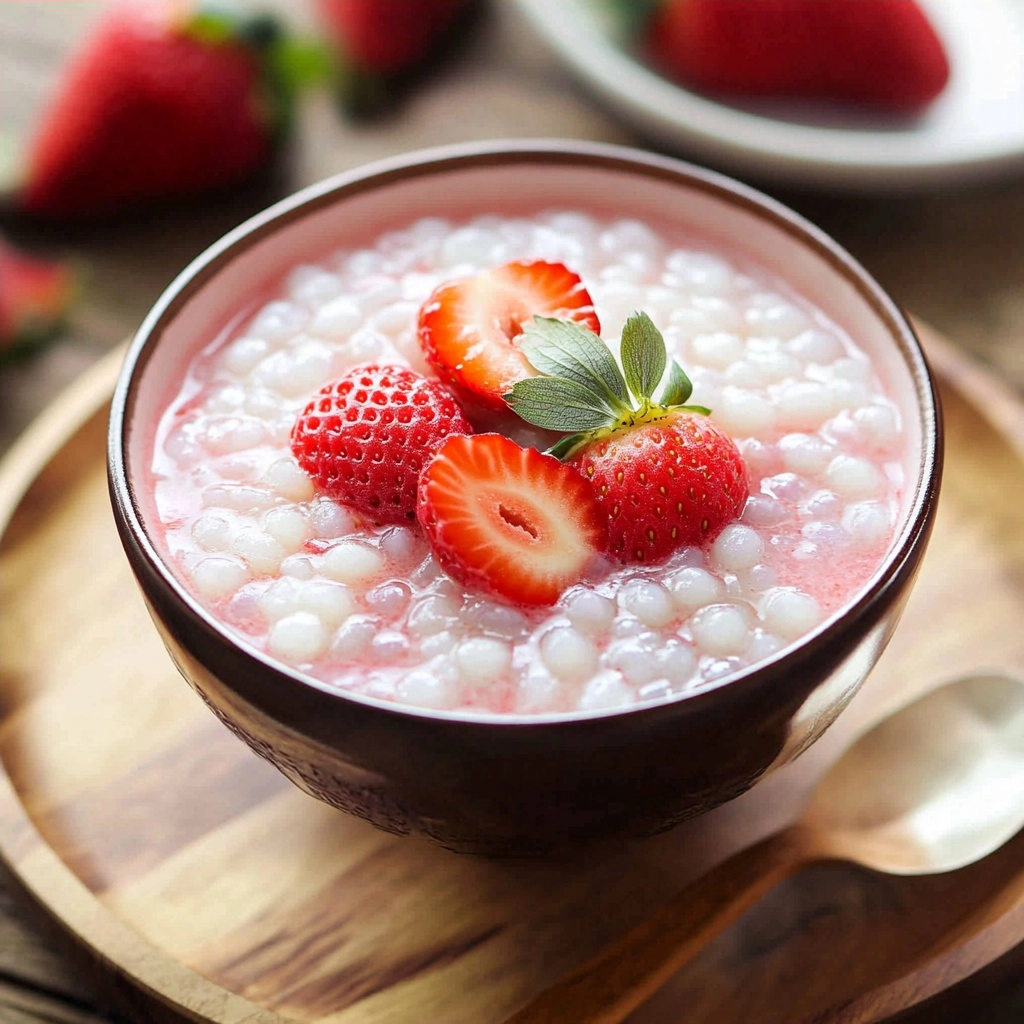
Strawberry Sago Recipe for Delicious Tropical Desserts
Ingredients
Method
- Bring 1 cup water to a boil in a pot. Add tapioca pearls and cook for 15-18 minutes until fully translucent. Drain and rinse under cold water to stop cooking.
- Blend strawberries, 2 tbsp coconut milk, and sugar in a blender until smooth. Set puree aside.
- In a large bowl, combine cooked sago with remaining 260ml coconut milk and gently mix.
- Chill both mixtures in the refrigerator for 15-20 minutes to set flavors and firm the texture.
- In glasses or bowls, layer 1/2 of the sago-coconut mixture, followed by a dollop of strawberry puree, a splash of sweetened condensed milk, and a handful of nata de coco. Chill for at least 2 hours before serving.
Nutrition
Notes
Nata de coco adds a tangy chew without relying on gelatin
For best results, serve chilled and let layers set for maximum structure