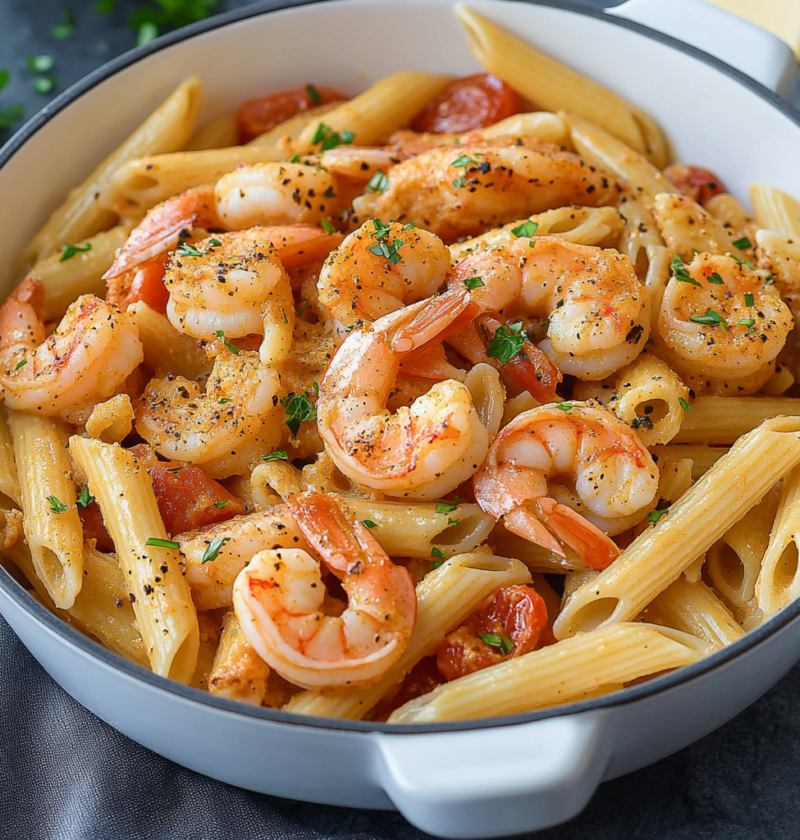
This classic Cajun Shrimp Pasta transforms simple pantry ingredients into a creamy, spicy masterpiece that cooks in under thirty minutes. A rich, velvety sauce coats al dente pasta with tender shrimp, delivering a bold flavor profile that rivals any restaurant dish. The combination of zesty seasoning and savory cream creates a comforting meal perfect for busy weeknights or special family gatherings. You will love the quick preparation time and the incredible depth of flavor this dish offers.
| Detail | Information |
|---|---|
| Prep Time | 10 minutes |
| Cook Time | 15 minutes |
| Total Time | 25 minutes |
| Servings | 4 servings |
| Difficulty | Easy |
| Cuisine | American Creole |
| Category | Mains |
| Method | Stovetop Sauté |
Why This Recipe Works
This Cajun Shrimp Pasta recipe succeeds because it balances bold seasoning with creamy textures perfectly. It works reliably because the cooking method ensures shrimp remain tender while the sauce thickens to the ideal consistency. The dish comes together quickly, making it suitable for busy home cooks who refuse to compromise on taste.
Using the right amount of Cajun seasoning provides a spicy kick without overwhelming the natural sweetness of the seafood. The pasta water helps bind the cream sauce, creating a glossy finish that clings to every strand of penne. Fresh parsley adds a necessary brightness to cut through the richness of the heavy cream.
This recipe is forgiving for novice cooks because the heat management is straightforward. If the shrimp feel rubbery upon eating, it typically simply indicates they sat too long in the hot pan. Proper timing ensures a meal that is ready when guests arrive or the family is hungry.
Chef Tips for Perfect Results
Perfect results come from understanding heat control and timing during the sauté process.
- Reserve pasta water: Save one cup of starchy liquid before draining to adjust sauce consistency later.
- Do not overcook shrimp: Shrimp turn opaque almost instantly in high heat, so remove them once they curl.
- Toasted spices: Toasting Cajun seasoning in the butter releases deeper flavor compounds before adding liquid.
- Temperature control: Use medium heat to prevent the cream from curdling during the simmering stage.
- Garlic aromatics: Cook garlic for only one minute to avoid bitterness and burn while infusing the oil.
- Cheese timing: Add Parmesan cheese off the heat to prevent it from becoming oily or clumpy.
- Seasoning balance: Taste before adding extra salt because Cajun blends and cheese are both salty.
- Butter finish: Stirring in a small knob of butter at the end gives the sauce a luxurious sheen.
Common Mistakes to Avoid
Mistakes usually stem from rushing the cooking process or adding ingredients at incorrect temperatures.
| Mistake | Why It Happens | How to Fix It |
|---|---|---|
| Soggy pasta water | Adding water too early | Coat pasta with hot water before sauce to separate strands |
| Curds in cream | High heat boiling sauce | Lower heat immediately and add starchy liquid to stabilize |
| Raw shrimp texture | Bumping heat too high | Reduce to medium and cook for shorter duration |
| Burnt garlic | Leaving in pan too long | Add garlic to oil and stir constantly until fragrant |
| Bland sauce flavor | Using too much cream | Reduce sauce longer to concentrate spice and seasoning |
| Clumpy cheese | Adding cold cheese to hot pot | Let pasta cool slightly before integrating the cheese |
Variations and Substitutions
Customizing this dish allows you to tailor the spice level and ingredients to your dietary needs or preferences.
| Ingredient or Element | Substitution or Variation | Impact on Flavor or Texture |
|---|---|---|
| Heavy cream | Half-and-half or coconut milk | Less rich and creamy but lighter for digestion |
| Shrimp | Chicken breast or scallops | Chicken needs longer cooking time while scallops are delicate |
| Penne pasta | Farfalle or fusilli | Traps sauce differently for varied mouthfeel experiences |
| Cajun seasoning | Creole spice blend | Slightly more herbaceous and less sharp heat overall |
| Parmesan cheese | Nutritional yeast | Makes it vegan but misses the salty umami punch |
| Butter | Avocado oil | Removes dairy richness for those with sensitivities |
| Tomatoes | Diced bell pepper | Changes acidity to sweetness for a milder profile |
| Parsley | Cilantro leaves | Adds a citrusy fresh note for a Mexican twist |
| Garlic | Garlic powder | Less aromatic but adds consistent savory depth base |
Serving Suggestions and Pairings
Serving this shrimp pasta with the right accompaniments elevates the entire dining experience significantly.
- Crispy garlic bread is perfect for soaking up any extra sauce from the plate.
- A fresh Caesar salad balances the creaminess with crisp bitter greens.
- Steamed green vegetables offer a necessary crunch against the soft pasta texture.
- A glass of chilled white wine complements the spices in the seafood perfectly.
- Minted cucumber salad provides cooling relief from the spicy Cajun elements.
- Roasted asparagus spears add color and nutrition to the center of the table.
- Buttered corn on the cob rounds out the meal with sweet summer flavors.
- Warm dinner rolls with honey butter help soak up the savory sauce.
- Baked potatoes make for a hearty base to top with the shrimp mixture.
- Sourdough crackers are a great low-carb option to pair alongside the meal.
- Fruit compote on the side contrasts the savory heat with sweet acidity.
- A light soup course like tomato basil prepares the palate for the main event.
For a complete meal, pair the pasta with a fresh garden salad and crusty bread for a comforting dinner. This combination creates a balanced plate that delights every guest at the table.
Make Ahead Options
You can prepare most components of this dish ahead of time without sacrificing texture or integrity. The pasta can be cooked one day in advance and tossed with olive oil to prevent sticking. The sauce can be mixed and refrigerated for up to two days before needing to be reheated fully.
However, shrimp are best cooked fresh to ensure they remain succulent rather than becoming rubbery upon reheating. You should sear the shrimp shortly before serving or add them to the reheated sauce right at the end. This method guarantees that the seafood remains tender and flavorful in the final dish.
Reheating the sauce gently over low heat will restore the creaminess without breaking the emulsion. You may need to stir in a splash of water or milk if the sauce has thickened in the refrigerator.
Storage and Reheating
Proper storage ensures that leftovers remain safe and delicious for several days.
| Method | Duration | Instructions |
|---|---|---|
| Room Temperature | 2 hours | Do not leave out longer due to perishable dairy and seafood |
| Refrigerator | 3 days | Store in airtight container to prevent absorbing other odors |
| Freezer | 1 month | Freeze sauce separately from pasta to maintain texture on thaw |
| Reheating | 5 minutes | Warm gently on stove top while stirring to prevent separation |
| Make Ahead | 1 day | Prep all ingredients and cook shrimp just before assembling |
Nutritional Information
Approximate values are based on one serving and may vary depending on exact ingredients and portion size.
| Nutrient | Amount per Serving |
|---|---|
| Calories | 650 |
| Protein | 35g |
| Fat | 40g |
| Saturated Fat | 25g |
| Carbohydrates | 55g |
| Fiber | 2g |
| Sugar | 4g |
| Sodium | 1100mg |
Frequently Asked Questions
Can I substitute the heavy cream with a lighter alternative?
Yes, you can replace heavy whipping cream with half-and-half to reduce the fat content. Expect the final sauce to be slightly thinner and less rich than the original version. Adjust by reducing the liquid volume slightly to achieve the desired thickness.
How do I know when the shrimp is perfectly cooked?
The shrimp are done when they turn opaque pink and form a loose C-shape. Overcooked shrimp become tight and rubbery which ruins the texture completely. Remove them from heat immediately once they curl to ensure tenderness.
Why did my sauce break or separate while cooking?
This usually happens when the cream is boiled too aggressively or the heat is too high. Simmer on low heat while stirring constantly to keep the emulsion stable. Add a splash of pasta water if it separates to help blend the fats back together.
Is this Cajun Shrimp pasta suitable for meal prep?
Yes, it is excellent for meal prep if you store components separately until ready to eat. Cook the pasta and sauce ahead, then toss them together before serving for best results. This prevents the pasta from soaking up too much liquid in the refrigerator.
What is the best wine pairing for this spicy pasta?
A full-bodied white wine like Chardonnay complements the creamy sauce and spicy seasoning well. A chilled rosé can also work nicely if you prefer a fruitier flavor profile with your meal.
Can I make this dish spicy without using too much heat?
You can control the spice level by reducing the amount of Cajun seasoning used in the recipe. Start with half the amount and taste before adding more to find your preferred heat level. Fresh herbs like parsley also help balance out the heat intensity.
Conclusion
This Cajun Shrimp Pasta delivers a restaurant-quality meal that requires minimal effort and time to prepare. The balance of spice and cream provides a satisfying comfort food experience that the whole family will enjoy. Make this easy and flavorful dish at home for a hassle-free dinner you can feel good about.
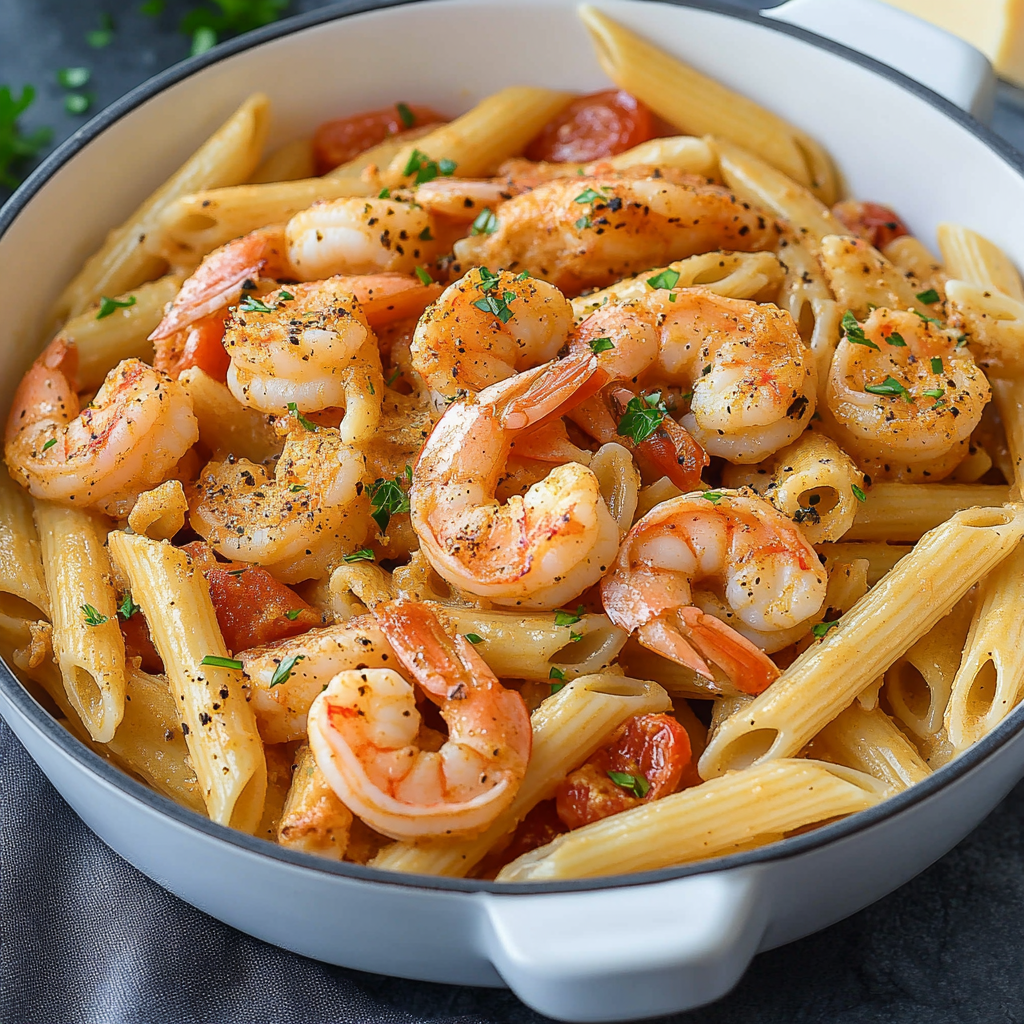
Cajun Shrimp Pasta Recipe for Quick Family Dinners
Ingredients
Method
- Bring 4-6 quarts of salted water to boil. Cook pasta according to package instructions.
- Melt butter in a skillet over medium heat. Sauté onion, garlic, and bell pepper for 3-4 minutes.
- Sprinkle flour to create a roux, stirring constantly for 1 minute.
- Add milk and heavy cream gradually, stirring to avoid lumps.
- Stir in Cajun seasoning, salt, and cooked pasta. Simmer 5-7 minutes until sauce thickens.
- Add shrimp and cooked bell pepper mixture. Heat until shrimp turn pink (1-2 minutes).
- Fold in fresh parsley before serving.
Nutrition
Notes
Adjust spices to personal heat preference.
Use zucchini or green beans as seafood-free variation.
Shrimp can be substituted with halal-certified vegan shrimp analogs.