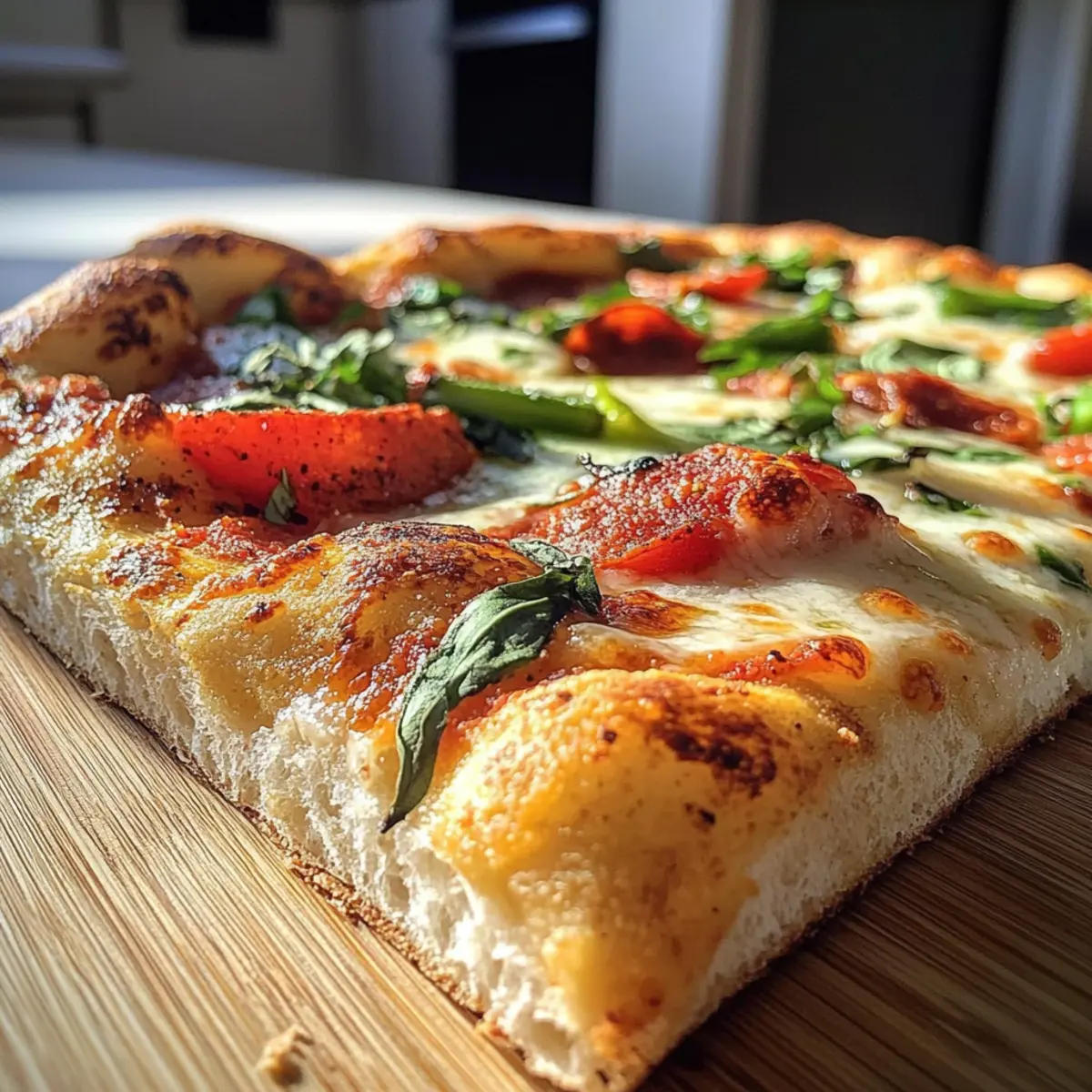
While slicing through that warm, golden crust, you might find yourself transported to the charming streets of Italy! My latest obsession, the Deliciously Chewy Sourdough Pizza Crust, has transformed family pizza nights into a vibrant culinary adventure. This recipe makes it easy to elevate simple ingredients into a crust that boasts a delightful chewiness and crispy edges, thanks to the magic of sourdough. Not only is it perfect for a comforting homemade dinner, but it’s also a great way to impress your guests with minimal effort. Plus, the flexibility of flour swaps means you can customize it to your tastes! Ready to unlock your inner pizzaiolo? Let’s dive into this delicious journey together!
Why is Sourdough Pizza Crust Special?
Unforgettable Flavor: The tangy notes from the active sourdough starter create a uniquely flavorful base that enhances any topping you choose.
Chewy Perfection: Achieving a delightful chewiness and crispy exterior, this crust is reminiscent of artisan pizzas—perfect for family gatherings or casual dinners.
Endless Customization: Whether you prefer whole wheat or bread flour, this recipe allows you to experiment and adapt, giving you the power to create your dream crust.
Time-Saving Magic: With a no-fuss process, you can whip up this crust while sipping on a glass of wine or planning your favorite toppings, making it a stress-free addition to your pizza night!
Ultimate Crowd-Pleaser: This homemade delight is sure to impress your friends and family, making every slice not just a meal but a shared experience. As you explore more recipes, check out my Deliciously Chewy Sourdough Pizza Crust for the perfect base, or pair it with my Heavenly Garlic Pizza Sauce for an unforgettable taste sensation!
Sourdough Pizza Crust Ingredients
For the Dough
• All-Purpose Flour – Offers structure and chewiness; consider using bread flour for a heartier texture.
• Salt – Enhances flavor and helps with fermentation, ensuring your crust is well-seasoned.
• Active Sourdough Starter – Brings natural fermentation, adding a tangy flavor; ensure it’s bubbly for the best results.
• Water – Hydrates the mixture; adjust the amount to achieve a slightly sticky dough consistency.
This Sourdough Pizza Crust comes together beautifully with these simple ingredients, creating a base that will elevate your pizza night to new heights!
Step‑by‑Step Instructions for Deliciously Chewy Sourdough Pizza Crust
Step 1: Combine Dry Ingredients
In a mixing bowl, whisk together 2 cups of all-purpose flour and 1 teaspoon of salt until evenly blended. The flour provides the structure while the salt enhances the flavor. This initial step is crucial to ensure your sourdough pizza crust provides a delightful taste and texture.
Step 2: Mix Wet Ingredients
Add 1 cup of active sourdough starter and 1/2 cup of lukewarm water to the dry ingredients in your bowl. Stir thoroughly until no dry flour remains, ensuring a cohesive and slightly sticky dough. This mixture should be well-combined before you proceed to kneading, inviting that wonderful sourdough flavor!
Step 3: Knead the Dough
On a floured surface, knead the dough for about 5 minutes until it becomes smooth and elastic. Feel the softness between your hands; a properly kneaded dough should spring back slightly when pressed. This step develops gluten, providing the chewy texture that makes the sourdough pizza crust so delightful.
Step 4: Let the Dough Rise
Place the kneaded dough in a greased bowl, cover it with a damp cloth or plastic wrap, and let it rest for 4 hours at room temperature. Alternatively, for a more developed flavor, refrigerate overnight. The dough should double in size and develop those delicious sour notes—this rise is key to the crust’s unique character.
Step 5: Preheat the Oven and Prepare Workspace
About 30 minutes before baking, preheat your oven to 475°F (245°C). While the oven heats, lightly flour your workspace again. This preparation creates an ideal environment for rolling out your sourdough pizza crust and ensures a smooth transfer of your dough.
Step 6: Shape the Dough
Once risen, gently punch down the dough to release excess air and turn it out onto your floured surface. Roll it out to your desired thickness, visualizing the perfect balance of crustiness and chewiness. Transfer the shaped dough to a pizza stone or a parchment-lined baking sheet, ready for your favorite toppings.
Step 7: Top and Bake the Pizza
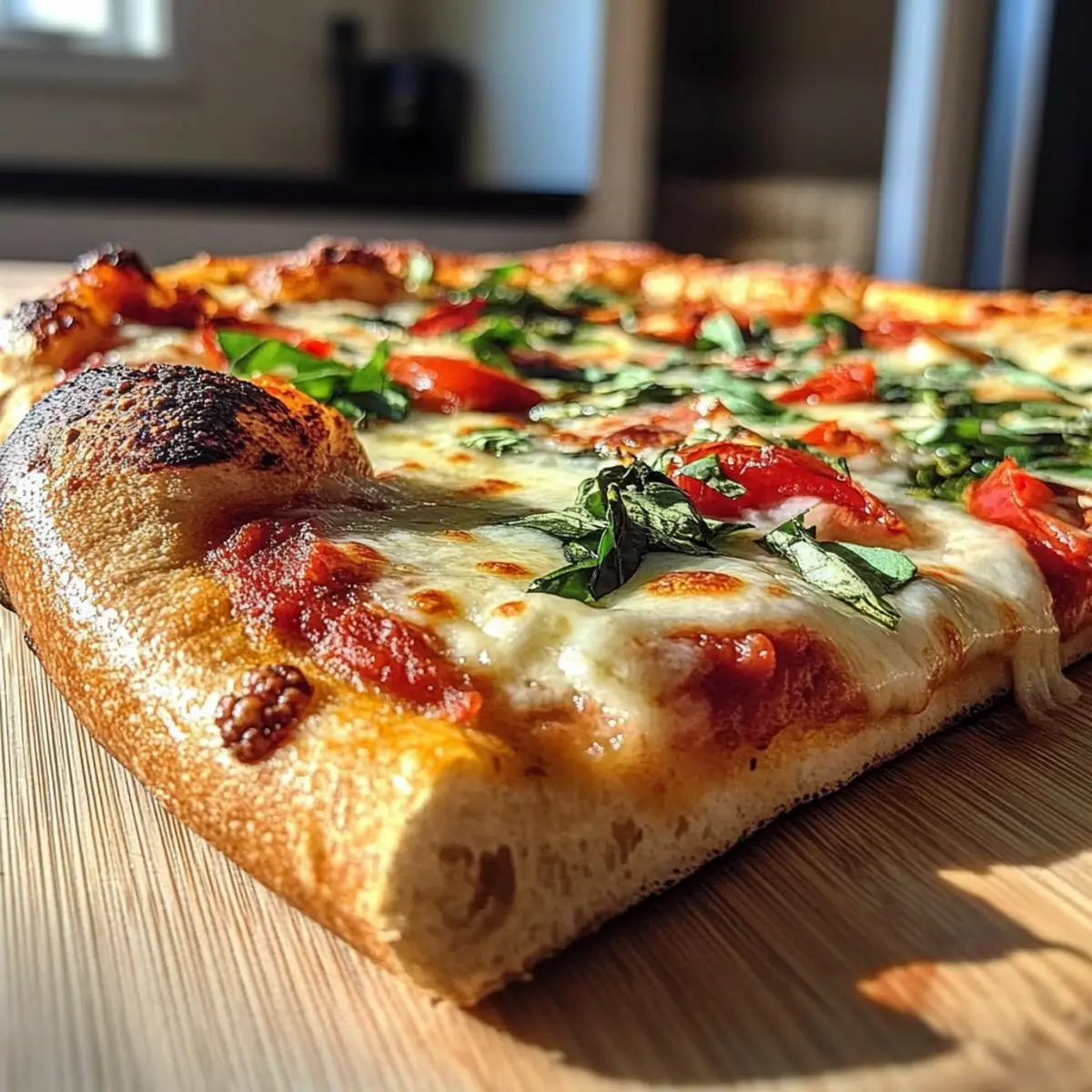
Top your rolled-out dough with your preferred ingredients, whether classic marinara and cheese or a gourmet selection of veggies and meats. Bake in the preheated oven for 15-20 minutes, watching for a golden-brown crust with bubbling cheese. This final bake transforms your sourdough pizza crust from raw dough into a steaming, irresistible pizza.
What to Serve with Deliciously Chewy Sourdough Pizza Crust
Transform your pizza night into a delightful feast with these perfectly paired accompaniments that enhance your dining experience.
- Crunchy Caesar Salad: Crisp romaine topped with creamy dressing adds a fresh contrast to the chewy crust, balancing flavors beautifully.
- Roasted Vegetable Platter: A colorful assortment of seasonal veggies complements the pizza’s rich flavors while adding texture and nutrition.
- Garlic Knots: Soft, buttery garlic knots echo the bread-like qualities of the crust, making them the ultimate sidekick for any pizza.
- Antipasto Skewers: These vibrant skewers of olives, cheese, and cured meats offer a salty tang, enhancing the overall pizza experience.
- Sweet & Tart Grapes: A bowl of fresh grapes adds a juicy pop that cleanses the palate between cheesy bites, keeping the meal lively.
- Ice-Cold Beer: A refreshing lager or pale ale harmonizes perfectly with the pizza’s crust, enhancing the flavors with every sip.
- Lemon Sorbet: Conclude your meal with a light, refreshing sorbet that cleanses the palate after indulging in a flavorful pizza feast.
- Red Wine: A medium-bodied red pairs wonderfully, its berry notes echoing the tomato sauce and deepening the meal’s flavors.
- Fresh Mozzarella Caprese: The creamy mozzarella and basil drizzled with balsamic create a refreshing contrast, tying in with the comforting pizza crust.
How to Store and Freeze Sourdough Pizza Crust
Fridge: Store leftover crust wrapped in plastic wrap or in an airtight container for up to 3 days. This keeps it fresh and ready for your next pizza night!
Freezer: To freeze, wrap the shaped and unbaked dough tightly in plastic wrap, then place it in a freezer bag. This will last up to 2 months, allowing for spontaneous pizza cravings.
Thawing: When you’re ready to use the frozen crust, transfer it to the fridge to thaw overnight. Let it come to room temperature before rolling out for your favorite toppings.
Reheating: If you have any baked leftover crust, reheat it in the oven at 375°F (190°C) for about 10 minutes to restore its crispiness and flavor.
Sourdough Pizza Crust Variations
Feel free to get creative with this recipe and tailor it to your taste preferences!
-
Bread Flour: Substitute all-purpose flour with bread flour for a chewier crust with delightful crispiness.
-
Whole Wheat: Use whole wheat flour for a nuttier flavor and added health benefits; it adds a lovely depth to your crust.
-
Gluten-Free: Try a gluten-free flour blend to make this recipe suitable for gluten-sensitive friends, adjusting the water as needed for consistency.
-
Herbed Crust: Mix dried herbs like oregano or basil into the dough for a fragrant twist; it adds dimensions of flavor that excite the palate.
-
Spicy Kick: Add red pepper flakes or ground chili powder to the dough for a subtle heat; it’s perfect for spicy pizza lovers! This alteration brings a delightful surprise to your slices.
-
Fermented Twist: Consider overnight cold fermentation for a deeper flavor profile; it develops the dough’s tanginess and enhances complexity.
-
Cheesy Infusion: Fold in grated parmesan cheese into the dough for a cheesy flavor; it brings an irresistible savory note to your crust! You might not want to go back after this addition.
-
Alternative Toppings: Instead of classic tomato sauce, explore unique bases like BBQ sauce, garlic oil, or pesto to switch things up; this twist can completely transform your pizza experience.
As you embark on this culinary adventure, don’t forget to check out my variations on Deep Dish Pizza or explore new flavors with Pepperoni Pizza Rolls for even more excitement!
Make Ahead Options
These Sourdough Pizza Crusts are ideal for busy home cooks looking to streamline pizza night! You can prepare the dough up to 24 hours in advance; simply mix the ingredients and let the dough rise in the refrigerator overnight to enhance flavor. For convenience, allow it to rise at room temperature for about 4 hours before baking. Once risen, shape the dough and you can either freeze it for up to 3 months or continue to bake immediately. If freezing, wrap it tightly in plastic wrap to maintain quality. When ready to enjoy, just preheat the oven and finish baking the pizza as directed, and you’ll have a delicious result with minimal effort!
Expert Tips for Sourdough Pizza Crust
Monitor Kneading: Avoid over-kneading; the dough should feel soft and elastic. This prevents a tough crust and maintains its chewiness.
Adjust Hydration: Be mindful of water content, especially when using different flours. Whole wheat may require more water, while bread flour may need less.
Cold Fermentation: Opt for an overnight rise in the fridge for deeper flavor development. This adds a lovely tang to your sourdough pizza crust.
Check Starter Freshness: Always ensure your active sourdough starter is bubbly and lively for the best results. A sluggish starter can lead to poor fermentation.
Don’t Rush Baking: Allow the oven to reach a full temperature of 475°F (245°C) before baking. This ensures a crispy crust and perfect melt on the cheese.
Sourdough Pizza Crust Recipe FAQs
What type of flour should I use for making Sourdough Pizza Crust?
I recommend using all-purpose flour for a balanced texture and flavor, but you can also substitute with bread flour for a heartier bite or whole wheat flour for a nuttier taste. Keep in mind that you may need to adjust the water content slightly depending on your flour choice.
How long can I store leftover Sourdough Pizza Crust?
Leftover crust can be stored in the fridge for up to 3 days. Just make sure it’s wrapped tightly in plastic wrap or in an airtight container to preserve its freshness.
Can I freeze Sourdough Pizza Crust? How?
Absolutely! To freeze, first wrap the shaped and unbaked dough tightly in plastic wrap, then place it in a freezer bag. This allows it to last for up to 2 months. When you’re ready, just transfer it to the fridge to thaw overnight. Allow it to reach room temperature before rolling it out and topping it.
What if my dough isn’t rising properly?
If your dough isn’t rising, it might be due to a sluggish sourdough starter. Always ensure your starter is bubbly and active. If you’re working in a colder environment, consider placing the dough in a warmer area or letting it sit longer to encourage fermentation.
Are there any dietary considerations I should be aware of?
Yes, since this Sourdough Pizza Crust contains gluten from the flour, it’s not suitable for those with gluten allergies or celiac disease. For gluten-free versions, you can experiment with gluten-free flour blends, but the texture and flavor may vary from traditional sourdough.
How do I know when my Sourdough Pizza Crust is perfectly baked?
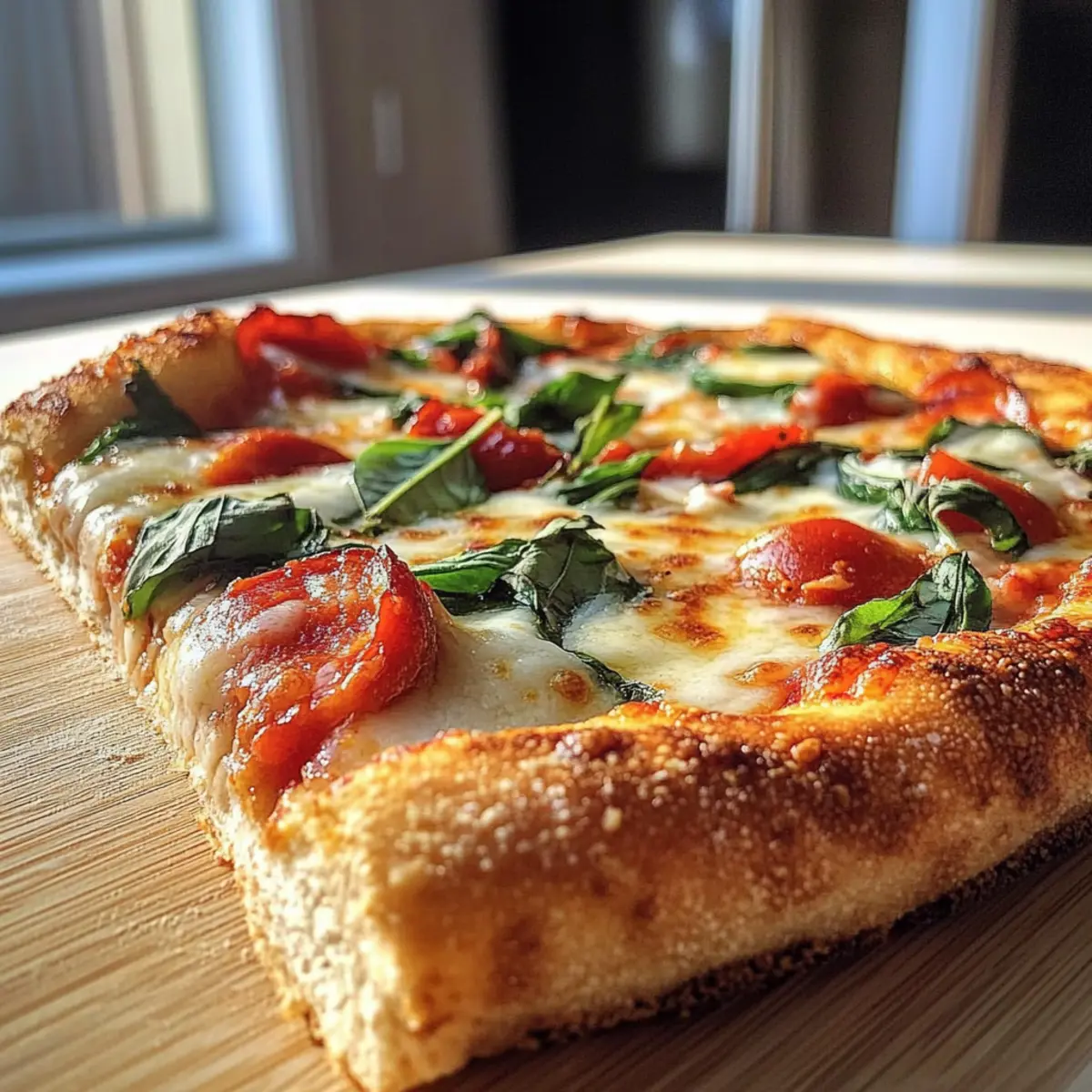
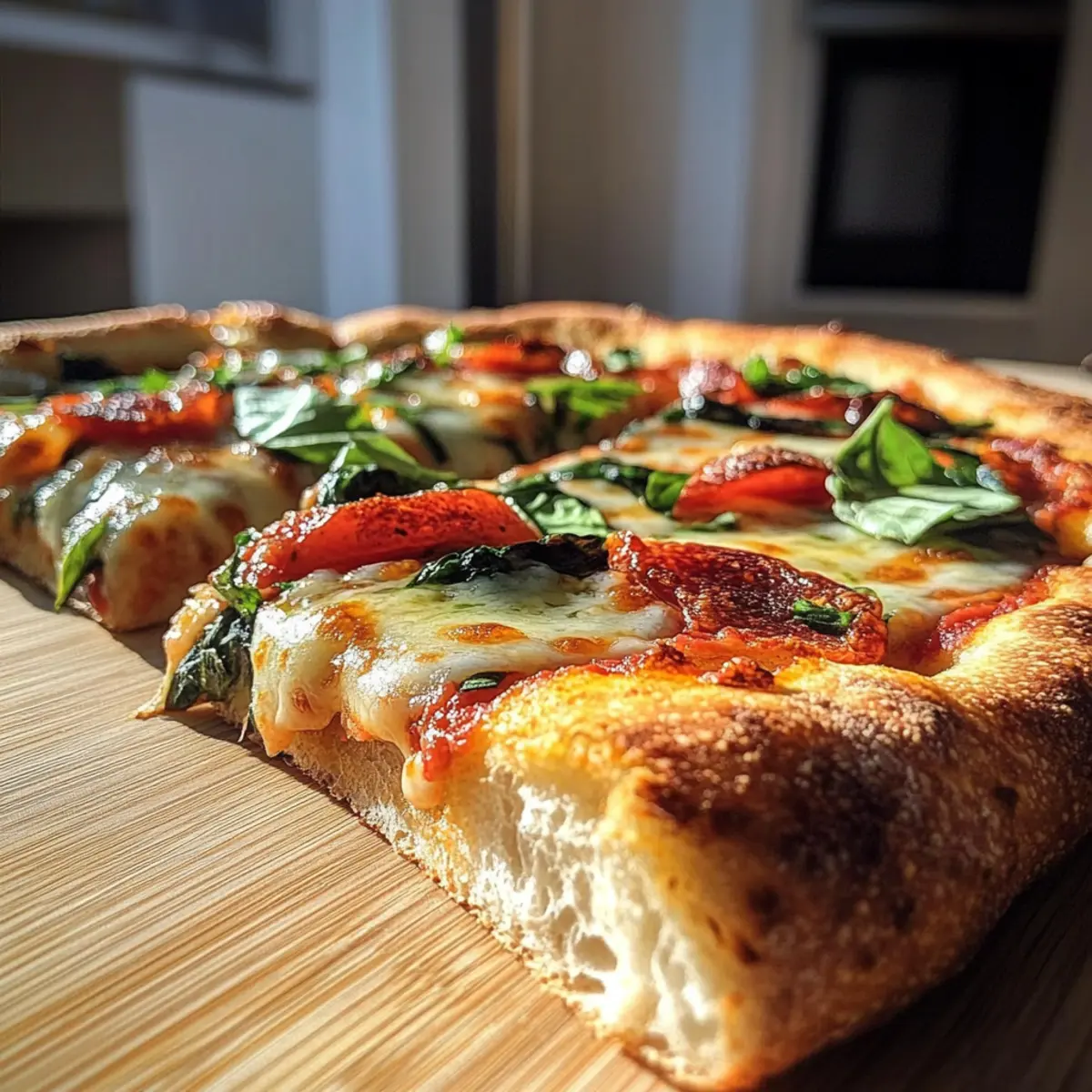
Your crust should be golden brown, crispy on the outside and soft with a slight chew on the inside. Keep an eye on it while baking—typically, it takes about 15-20 minutes in a preheated oven at 475°F (245°C). A golden edge and bubbling cheese are your best indicators of doneness!
Irresistibly Chewy Sourdough Pizza Crust to Elevate Your Pies
Ingredients
Equipment
Method
- Combine Dry Ingredients: In a mixing bowl, whisk together 2 cups of all-purpose flour and 1 teaspoon of salt until evenly blended.
- Mix Wet Ingredients: Add 1 cup of active sourdough starter and 1/2 cup of lukewarm water to the dry ingredients. Stir thoroughly until no dry flour remains.
- Knead the Dough: On a floured surface, knead the dough for about 5 minutes until it becomes smooth and elastic.
- Let the Dough Rise: Place the kneaded dough in a greased bowl, cover it, and let it rest for 4 hours at room temperature.
- Preheat the Oven and Prepare Workspace: About 30 minutes before baking, preheat your oven to 475°F (245°C).
- Shape the Dough: Gently punch down the dough, then roll it out to your desired thickness.
- Top and Bake the Pizza: Top your dough with ingredients and bake in the preheated oven for 15-20 minutes.